Why Startups Are Choosing AI Development Services to Scale
-

- September 18th, 2026
- 3,625 views
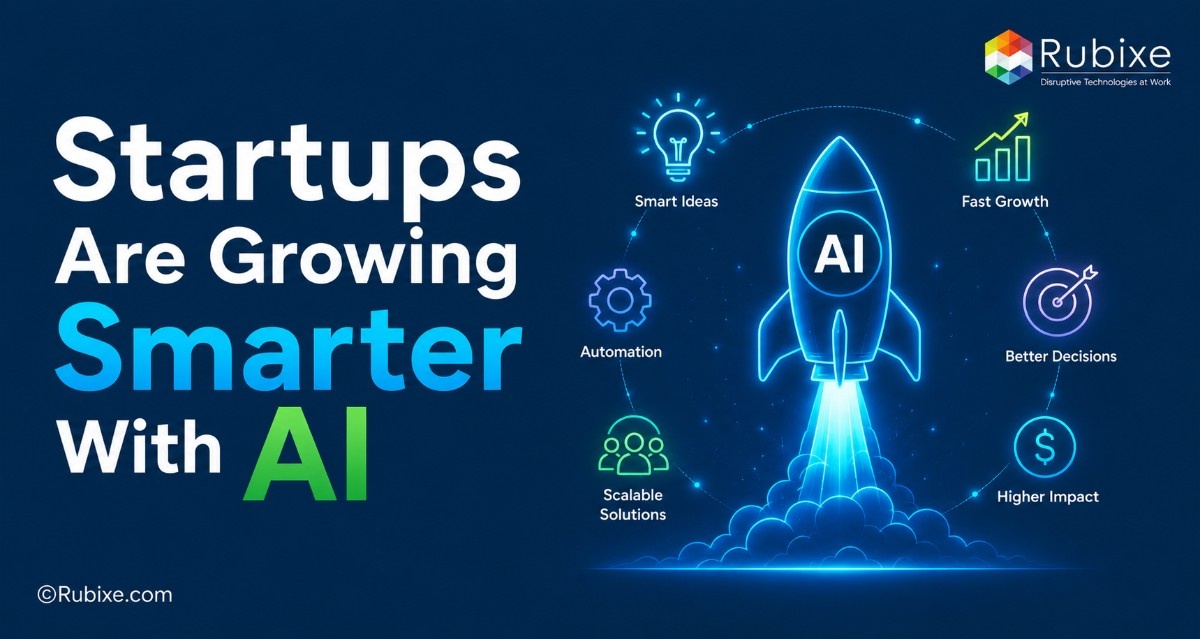
Scaling a startup has never been easy. Founders often face a constant challenge: how to grow faster without dramatically increasing costs, resources, or operational complexity.
This is one reason more startups are investing in AI Development Services. Artificial intelligence is no longer limited to large enterprises.
Today, startups are using AI to automate operations, improve decision-making, enhance customer experiences, and build scalable growth models from an early stage.
What Are AI Development Services?
AI Development Services involve designing, building, and deploying artificial intelligence solutions tailored to specific business needs. These solutions can support automation, analytics, customer engagement, forecasting, and operational improvements.
Unlike generic software tools, custom AI solutions are built around a company's goals and workflows. This allows startups to solve real business challenges while creating systems that can grow alongside the organization.
From what I have observed, startups that adopt AI with a clear purpose often gain operational advantages much earlier than businesses relying solely on traditional processes.
Why Are Startups Looking Beyond Traditional Growth Models?
In the early stages of growth, startups often operate with limited budgets, small teams, and high expectations. Hiring large numbers of employees is not always practical or sustainable.
Modern startups are searching for ways to scale efficiently rather than simply expanding headcount. AI offers an opportunity to increase output without proportionally increasing operational costs.
Common startup goals include:
Faster growth
Lean operations
Better customer experiences
Improved productivity
Sustainable scalability
This shift explains why demand for AI Development Services continues to grow across startup ecosystems.
How Does AI Help Startups Scale Faster?
One of the biggest misconceptions about scaling is that it always requires more people and larger operational structures. In reality, technology often plays a significant role in growth.
AI helps startups manage larger workloads by automating repetitive activities and streamlining processes. Teams can accomplish more without becoming overwhelmed by manual tasks.
I have noticed that startups implementing AI early often gain flexibility because they can adapt quickly as customer demands increase.
Instead of constantly adding resources, they focus on improving efficiency and maximizing the value of existing capabilities.
Can AI Improve Everyday Operations?
Absolutely. Many startup challenges originate from inefficient workflows rather than a lack of effort. As businesses grow, operational complexity increases, making manual processes harder to manage.
AI supports business process optimization by identifying inefficiencies and automating routine activities.
Benefits often include:
Faster workflows
Reduced manual effort
Improved accuracy
Better resource utilization
Higher productivity
These improvements help startups create operational foundations that support long-term growth.
Why Is AI-Driven Decision Making Important?
Growing businesses generate increasing amounts of information. Without the right tools, it becomes difficult to identify meaningful insights and opportunities.
This is where AI-driven decision making becomes valuable. AI systems can analyze large datasets, recognize patterns, and provide actionable recommendations.
Organizations often use AI to:
Forecast demand
Monitor performance
Identify trends
Reduce risks
Support planning
Faster access to insights allows startup leaders to make more informed decisions and respond more effectively to changing market conditions.
How Are AI Services Supporting Startup Innovation?
Innovation is often the lifeblood of a startup. Companies that innovate successfully can differentiate themselves from competitors and capture new market opportunities.
Modern AI Services provide startups with tools that support experimentation, problem-solving, and product development.
Rather than spending excessive time on repetitive tasks, teams can focus on activities that drive growth and innovation.
I believe one of the strongest advantages of AI is its ability to help startups achieve more with limited resources. This creates opportunities for founders to concentrate on strategy and customer value rather than operational bottlenecks.
What Role Do AI Implementation Services Play?
Building an AI solution is only part of the process. To create meaningful results, AI must be integrated into existing workflows and business operations.
This is where AI Implementation Services become essential. Effective implementation ensures that AI supports daily activities rather than functioning as a disconnected technology layer.
Key implementation benefits include:
Faster adoption
Better system integration
Improved user experience
Greater operational value
Stronger scalability
At Rubixe, we often see startups achieve better outcomes when implementation focuses on solving specific business challenges rather than deploying technology for its own sake.
How Does AI Enhance Customer Experiences?
Customer expectations are higher than ever. People expect quick responses, personalized interactions, and seamless experiences throughout their journey.
AI helps startups meet these expectations by improving responsiveness and personalization.
Businesses commonly use AI for:
Customer support automation
Personalized recommendations
User behavior analysis
Engagement optimization
Service improvements
When customer experiences improve, startups often benefit from stronger loyalty, better retention, and increased referrals.
These advantages become especially valuable for growing businesses competing against larger, more established brands.
Can Startups Compete With Larger Companies Using AI?
This is one of the most interesting shifts happening today. In the past, large organizations often held significant advantages because of their resources and infrastructure.
AI is helping level the playing field.
With the right strategy, startups can use intelligent technologies to achieve capabilities that were previously available only to larger enterprises.
I have observed that startups using AI effectively often compete more aggressively because they can operate faster, make quicker decisions, and adapt more rapidly to market changes.
This flexibility is becoming a powerful competitive advantage.
What Challenges Should Startups Consider?
While AI offers significant opportunities, successful adoption requires planning and realistic expectations.
Startups should focus on:
Clear objectives
Quality data
Team readiness
Practical use cases
Long-term scalability
The most successful AI initiatives usually begin with solving a specific operational challenge. Once value is demonstrated, businesses can expand AI capabilities gradually.
This approach helps reduce risk while maximizing return on investment.
Why Is AI Becoming a Startup Growth Strategy?
Artificial intelligence is no longer viewed solely as a technology investment. Increasingly, it is becoming a growth strategy.
Startups are using AI to improve productivity, streamline operations, enhance customer experiences, and strengthen decision-making. These capabilities directly support scalability and competitiveness.
The growing demand for AI Development Services reflects a broader recognition that intelligent technologies can help businesses achieve sustainable growth more efficiently.
At Rubixe, we frequently work with organizations that view AI not as a future initiative but as a practical tool for solving today's business challenges while preparing for tomorrow's opportunities.
Building the Startup of the Future
The startups that succeed over the next decade will likely be those that combine innovation, agility, and intelligent technology. Growth will increasingly depend on how effectively businesses can adapt, automate, and respond to changing customer expectations.
Through AI Development Services, AI Services, AI Implementation Services, and advanced approaches to AI-driven decision making, startups can build stronger operational foundations and accelerate growth. At Rubixe, we continue to see ambitious startups unlock new levels of efficiency and scalability by embracing AI as a core business capability. The companies investing in intelligent growth today are often shaping the markets of tomorrow.
Scaling a startup requires more than ambition. It requires systems that can grow efficiently alongside the business. By investing in AI Development Services, startups can improve productivity, strengthen decision-making, and create scalable growth opportunities.
If you're ready to explore how AI can accelerate your startup's success, connect with Rubixe and discover solutions built for long-term growth.