Botanical Extracts Explained: Uses, Evidence, and Safety
-

- Published Updated
- 1,560 views
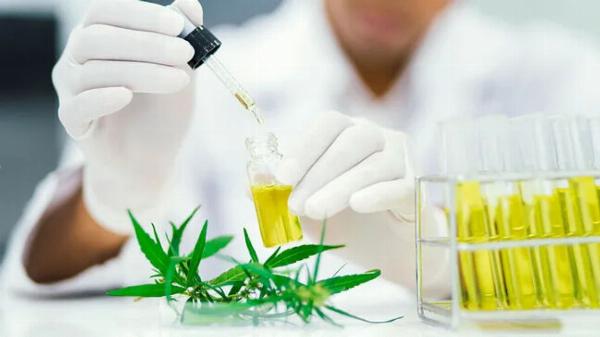
Botanical extracts are concentrated preparations derived from plants that capture specific phytochemicals thought to influence health and wellness. This guide explains common types of botanical extracts, summarizes the current state of clinical and laboratory evidence, and describes quality, regulatory, and safety considerations relevant to consumers, researchers, and health professionals.
- Botanical extracts concentrate plant compounds such as polyphenols, alkaloids, and terpenes.
- Evidence ranges from traditional use and laboratory studies to randomized controlled trials; quality and standardization affect outcomes.
- Safety issues include interactions, contamination, and variable labeling; regulatory approaches differ by jurisdiction.
Understanding botanical extracts: definitions and types
Botanical extracts are produced when plant material—leaves, roots, bark, seeds, or flowers—is processed to isolate active constituents. Extraction methods include solvent extraction (water, ethanol), supercritical CO2 extraction, and cold-pressing. Extracts may be sold as tinctures, powders, standardized concentrates, or oils. Standardized extracts specify the amount of a marker compound (for example, a percentage of a particular polyphenol) to improve consistency across batches.
Common types and formats
Common botanical extracts originate from plants such as turmeric (curcumin-containing extracts), green tea (catechin-rich extracts), ginkgo (flavonoid and terpene lactone extracts), valerian (root extracts), and echinacea (aerial part extracts). Formats include liquid tinctures, capsules, tablets, and topical preparations. Potency and bioavailability vary by preparation method.
Key phytochemicals
Phytochemicals commonly concentrated in extracts include polyphenols (flavonoids, tannins), alkaloids, terpenes, glycosides, and saponins. These compounds are studied for antioxidant activity, modulation of inflammatory pathways, and effects on enzymes and receptors. Laboratory assays and preclinical models provide mechanistic insight but do not alone establish clinical benefit.
Benefits, evidence, and research approaches
Types of scientific evidence
Evidence for botanical extracts ranges from traditional use records and in vitro studies to animal research and human clinical trials. Systematic reviews and randomized controlled trials (RCTs) provide higher-quality evidence; however, results vary across extracts and indications. Meta-analyses may identify consistent effects for some preparations but also highlight heterogeneity caused by different extract preparations, doses, and participant populations.
Interpreting clinical findings
Clinical studies may report modest effects on outcomes such as symptom relief, biomarkers, or quality of life measures. Important factors include sample size, study design, blinding, and the specific extract formulation used. Replication across well-designed RCTs strengthens confidence in findings; single studies or those with methodological limitations should be interpreted with caution.
Safety, quality control, and regulation of botanical extracts
Safety considerations
Safe use depends on product purity, proper identification of plant species, dose, and potential interactions with medications or medical conditions. Reported concerns include contamination (heavy metals, pesticides), misidentification or adulteration of plant material, and variability in active compound levels. Adverse events have been associated with both contaminants and inherent pharmacological effects of extracts.
Quality and manufacturing standards
Quality assurance practices include Good Manufacturing Practices (GMP), third-party laboratory testing for identity and contaminants, and certificates of analysis (COAs). Standardization to marker compounds helps improve consistency but does not guarantee clinical efficacy. Labels should list botanical name, part used, extraction solvent, standardized marker (if any), and batch information when available.
Regulatory context
Regulatory frameworks differ by country. In some regions botanical extracts are regulated as dietary supplements or traditional medicines, while in others they may be considered herbal medicinal products requiring clinical evidence for claims. Organizations involved in oversight or guidance include national regulators (for example, the U.S. Food and Drug Administration and the European Medicines Agency) and international bodies that provide research or safety resources. For general authoritative information about herbal product research and safety, see the National Center for Complementary and Integrative Health (NCCIH): https://www.nccih.nih.gov/.
Practical considerations for consumers and researchers
Choosing a product
When selecting an extract, consider product transparency (clear labeling and COAs), manufacturing standards, and evidence specific to the extract and intended use. Matching the formulation in clinical studies (same standardized compound and dose) provides a closer parallel to studied outcomes.
Research design notes
Researchers studying botanical extracts should document botanical authentication, extraction method, chemical characterization, and stability data. Clinical trials benefit from standardized products, appropriate controls, and reporting that enables reproducibility and comparisons across studies.
Environmental and ethical sourcing
Sustainable harvesting and ethical sourcing practices help reduce ecological impact and promote long-term availability of plant species used for extracts. Traceability and certifications related to sustainability may be relevant for certain plant-derived products.
Conclusion
Botanical extracts concentrate plant compounds with potential biological activity. Evidence quality varies by extract and indication; robust conclusions require well-characterized products and rigorous clinical studies. Attention to safety, quality control, and regulation helps inform appropriate use and research priorities.
What are botanical extracts and how are they used?
Botanical extracts are concentrated plant preparations used in supplements, traditional medicines, foods, and topical products. Usage depends on the extract, formulation, and intended outcome; products commonly target symptomatic relief, wellness support, or specific physiological pathways.
Are botanical extracts regulated like pharmaceuticals?
Regulatory classification varies. Some extracts are regulated as dietary supplements or traditional herbal medicines, while others may be evaluated more strictly if marketed with therapeutic claims. National regulatory authorities provide the specific legal framework.
How can consumers assess product quality?
Look for clear labeling, third-party testing, Good Manufacturing Practices (GMP) compliance, certificates of analysis, and product documentation that identifies botanical species, part used, extraction solvent, and standardized markers if applicable.
Can botanical extracts interact with medications?
Yes. Some botanical extracts can affect drug metabolism, platelet function, or other pathways, leading to interactions. Reviewing product ingredients against known interaction profiles and consulting qualified health professionals are prudent steps.
Where can reliable information be found?
Reliable sources include peer-reviewed journals, systematic reviews, and information from established research organizations and regulatory agencies. The National Center for Complementary and Integrative Health (NCCIH) and national regulators provide summaries and safety resources for many botanical products.


![Force Vital Bienfaits : [Force Vital Résultats] L’Essence d’une Vie Dynamique](https://indibloghub.com/public/images/courses/6a9be58fae9ec5806_1788601743.jpg)