Cement Packaging Market Summary Highlights Sustainable Innovation and Efficient Construction Supply Chain Transformation
-

- September 11th, 2026
- 3,654 views
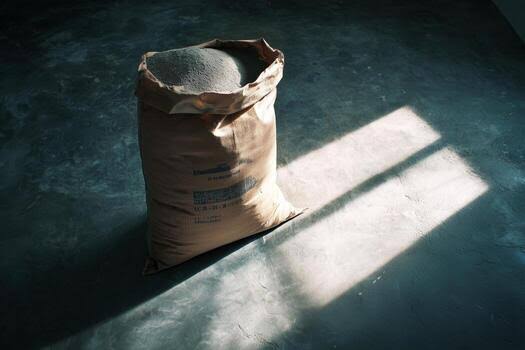
The cement packaging industry is undergoing steady transformation as construction activity, environmental priorities, manufacturing technology, and supply chain requirements continue to evolve. Packaging has become an important part of cement distribution because it protects the product, supports efficient transportation, simplifies handling, and helps maintain quality during storage.
The current cement packaging summary highlights several major developments shaping the industry. Lightweight packaging, sustainable materials, automated production, digital traceability, improved moisture protection, advanced quality control, and customized solutions are becoming increasingly important.
Cement packaging manufacturers are moving toward solutions that provide greater efficiency without compromising durability or affordability.
Construction Activity Supports Industry Demand
Cement remains a fundamental material for residential construction, commercial development, infrastructure projects, industrial facilities, and urban expansion.
As construction projects increase, cement producers require packaging that can support higher production and distribution volumes.
Cement bags must withstand filling, stacking, transportation, warehouse storage, and handling at construction sites. Strong seams, reliable closures, consistent dimensions, and resistance to tearing remain essential requirements.
Packaging manufacturers that can deliver reliable products at competitive costs are well positioned to support expanding construction supply chains.
Sustainable Packaging Gains Importance
Environmental responsibility is increasingly influencing packaging development.
Cement producers and packaging suppliers are examining ways to reduce material consumption, packaging waste, and resource use. Lightweight structures, recyclable materials, optimized paper designs, and improved manufacturing efficiency are among the approaches being explored.
Sustainability is becoming closely connected with operational efficiency. Using fewer resources can potentially reduce both environmental impact and production costs.
Future packaging development is therefore likely to focus on solutions that combine environmental benefits with practical performance.
Lightweight Designs Improve Material Efficiency
Lightweight packaging is an important area of industry development.
Reducing the amount of material used in each cement bag can lower overall resource consumption. Because cement is packaged and transported in very large volumes, small improvements in packaging efficiency can have a meaningful cumulative effect.
However, lighter bags must still provide sufficient resistance to tearing, puncturing, moisture, and rough handling.
Manufacturers are therefore investing in improved paper grades, optimized fiber structures, stronger seams, and efficient bag designs.
Paper-Based Packaging Continues Evolving
Paper remains an important material for cement packaging.
Modern paper bags are being improved through stronger fibers, optimized construction, improved sealing, and better material utilization.
Paper packaging also provides an effective surface for product branding and information. Manufacturers can display product specifications, safety instructions, handling guidance, and other information clearly.
With sustainability becoming more important, continued innovation in paper packaging is expected to remain a significant industry focus.
Woven Packaging Maintains a Role
Woven packaging continues to serve applications where high mechanical strength is required.
Improved weaving techniques and material optimization can help manufacturers provide durable packaging while controlling resource consumption.
The industry is also examining ways to improve the recovery and recycling potential of synthetic packaging materials.
Woven solutions are likely to remain relevant where demanding transportation and handling conditions require additional structural performance.
Automation Transforms Packaging Facilities
Automation is reshaping cement packaging operations.
Modern facilities can automate bag placement, filling, weighing, sealing, inspection, palletizing, and material handling. Automated equipment can improve production consistency while reducing repetitive manual work.
Digital monitoring systems can also provide real-time information about machine performance and production conditions.
As cement manufacturers modernize their facilities, packaging systems are increasingly being integrated into broader plant automation networks.
Digital Traceability Creates New Capabilities
Digital technologies are adding new functionality to cement packaging.
QR codes, barcodes, digital labels, and identification systems can support batch tracking, inventory management, product authentication, and distribution monitoring.
Digital packaging can also help customers access product information more efficiently.
As construction supply chains become increasingly connected, smart identification may become a more common feature of cement packaging.
Moisture Protection Remains Essential
Cement packaging must provide effective protection against moisture.
Humidity and water exposure can affect cement quality during transportation and storage. Packaging manufacturers therefore continue improving protective layers, sealing systems, moisture barriers, and multi-layer structures.
Regional climate conditions can influence packaging requirements. Areas with high humidity or frequent rainfall may require stronger moisture protection than dry regions.
The ability to customize protective characteristics can therefore provide an important competitive advantage.
Advanced Quality Control Improves Reliability
Quality control remains essential in high-volume cement packaging.
Manufacturers are increasingly using machine vision, sensors, automated inspection systems, and production analytics to identify defects.
These technologies can monitor filling weight, bag dimensions, seams, closures, printing, and overall structural integrity.
Early defect detection can reduce waste and improve production efficiency while helping cement producers maintain consistent packaging quality.
Regional Customization Expands
Cement packaging requirements vary between markets.
Climate, transportation distances, storage facilities, handling methods, and customer preferences can all influence packaging specifications.
Manufacturers are responding by developing flexible production capabilities that can support different sizes, materials, designs, and protective features.
Regional customization allows packaging companies to address specific market requirements while improving customer satisfaction.
Cost Efficiency Remains Critical
Cement is generally distributed in large quantities, making packaging costs an important consideration.
Manufacturers are seeking ways to reduce material use, minimize production waste, improve machinery efficiency, and lower logistics expenses.
Packaging solutions that combine durability with material efficiency can provide economic value to cement producers.
The ability to deliver sustainable improvements without significantly increasing costs will remain an important competitive factor.
Supply Chain Resilience Becomes More Important
Packaging manufacturers depend on reliable supplies of paper, polymers, adhesives, inks, machinery components, and transportation services.
Supply disruptions can affect production schedules and customer deliveries.
Companies are therefore strengthening supplier networks, developing alternative sourcing options, and improving inventory planning.
More resilient supply chains can help packaging manufacturers respond to changing market conditions and unexpected disruptions.
Future Direction of the Industry
The cement packaging summary points toward an industry becoming more sustainable, automated, connected, and performance-oriented.
Future development is likely to emphasize lightweight materials, recyclable structures, automation-ready designs, digital tracking, advanced quality monitoring, and improved moisture resistance.
Packaging companies that combine technological innovation with cost efficiency will be better positioned to address changing customer expectations.
The current cement packaging summary demonstrates that packaging is becoming a strategic component of the modern cement supply chain. Construction growth continues to support demand, while sustainability, automation, digitalization, material optimization, and product protection are reshaping packaging solutions.
Manufacturers are increasingly focused on creating packaging that is strong enough for demanding logistics while using resources more efficiently.
As construction supply chains become more sophisticated, cement packaging will continue developing into a smarter, more sustainable, and more efficient solution that supports manufacturers, distributors, contractors, and construction projects worldwide.
Written as -https://www.pristinemarketinsights.com/cement-packaging-market-report