7 Benefits of Installing Solar Panels for Commercial Buildings
-

- Published Updated
- 2,874 views
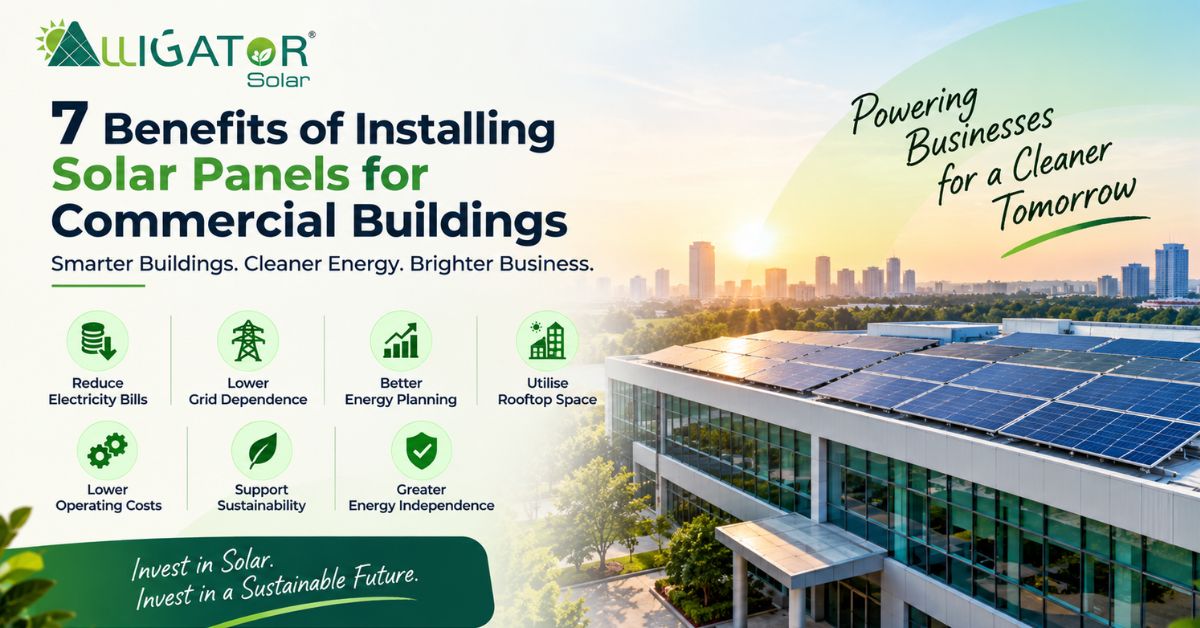
As businesses look for ways to control rising electricity expenses and improve energy efficiency, renewable energy has become an important part of modern business planning. Solar panels for commercial buildings offer businesses an opportunity to generate electricity on-site, reduce dependence on conventional power sources, and support long-term sustainability goals.
From offices and warehouses to retail spaces and industrial facilities, commercial properties often have large rooftops that can be used for solar installations. With the right system design and professional installation, solar energy can provide both financial and environmental advantages.
Here are seven important benefits of installing solar panels for commercial buildings.
1. Reduce Electricity Bills
One of the biggest benefits of solar panels for commercial buildings is the potential to reduce electricity expenses. Commercial properties typically consume substantial amounts of electricity for lighting, air conditioning, computers, machinery, equipment, and other daily operations.
A commercial solar power system can generate electricity during daylight hours, allowing businesses to use solar-generated power for their regular operations. This can reduce the amount of electricity that needs to be purchased from the grid and help businesses manage their recurring energy expenses.
The actual savings depend on factors such as system capacity, electricity consumption, solar generation, tariffs, and site conditions.
2. Reduce Dependence on Grid Electricity
Businesses that rely heavily on grid electricity can be affected by changes in electricity tariffs and energy costs. Installing solar panels provides an additional source of electricity that can be generated directly at the property.
Commercial rooftop solar can therefore help businesses reduce their dependence on grid power. This is particularly useful for properties with suitable rooftop space and significant daytime electricity consumption.
3. Improve Long-Term Energy Planning
Energy expenses are an important consideration when businesses plan their long-term budgets. Changes in electricity costs can make it more difficult to predict future operating expenses.
Solar energy can help businesses manage a portion of their electricity requirements more predictably. Once a solar system is installed, sunlight serves as the primary energy source for generating electricity. This can support better long-term energy planning and reduce reliance on conventional electricity.
4. Make Productive Use of Rooftop Space
Many commercial buildings have large rooftops that remain underutilized. Installing solar panels can transform this unused space into an energy-generating asset.
A properly planned commercial rooftop solar system can make productive use of available roof space without requiring additional land. Offices, warehouses, shopping facilities, and other commercial properties may benefit from this approach, subject to structural and site requirements.
5. Lower Overall Operating Costs
Electricity is a recurring operating expense for most businesses. By generating a portion of their electricity through solar power, commercial property owners can potentially reduce their overall energy-related operating costs.
Modern solar systems generally require routine maintenance, including cleaning, inspections, monitoring, and preventive checks. Proper maintenance can help maintain system performance and support reliable electricity generation over time.
6. Support Business Sustainability
Sustainability is becoming increasingly important for businesses, customers, investors, and other stakeholders. Using renewable energy can help companies demonstrate their commitment to cleaner business practices.
Solar panels for commercial buildings generate electricity from sunlight and can help businesses increase their use of renewable energy. This can support corporate sustainability initiatives while helping reduce dependence on conventional energy sources.
7. Increase Energy Independence
Generating electricity at the property can give businesses greater control over part of their energy supply. Instead of depending entirely on external electricity sources, businesses can produce solar power according to their system's capacity and operating conditions.
A professionally designed commercial solar installation can become an important component of a company's broader energy strategy, particularly for businesses with substantial daytime electricity requirements.
Choosing the Right Commercial Solar Solution
The performance of a commercial solar project depends on several factors, including electricity consumption, available rooftop space, roof condition, system capacity, equipment selection, and installation quality.
Working with an experienced solar EPC company can help businesses assess their requirements, plan the system, manage installation, and develop a solution suited to their property and energy objectives.
FAQs
Are solar panels suitable for commercial buildings?
Yes. Solar panels can be installed on various commercial properties, including offices, warehouses, retail buildings, and industrial facilities, depending on site conditions and energy requirements.
How much can commercial solar reduce electricity bills?
The potential savings vary from project to project. System size, electricity consumption, solar generation, tariffs, and available installation space all influence the overall savings.
Is commercial rooftop solar a good investment?
Commercial rooftop solar can be a valuable long-term energy solution for businesses looking to reduce grid electricity consumption and make productive use of available rooftop space.
How much maintenance do commercial solar panels require?
Commercial solar systems require routine cleaning, inspection, monitoring, and preventive maintenance to support efficient and reliable performance.
Conclusion
Installing solar panels for commercial buildings can provide several benefits, from reducing electricity expenses and grid dependence to improving energy planning and supporting sustainability goals. Commercial rooftop solar also allows businesses to turn otherwise unused roof space into a productive energy-generating asset.
With proper planning, system design, professional installation, and regular maintenance, solar power can become an effective part of a business's long-term energy strategy. For commercial property owners seeking cleaner and more efficient energy solutions, investing in solar can be a practical step toward a more sustainable future.