Stylish Ideas for Using Decorative Porcelain Tile Throughout the Home
-

- March 15th, 2026
- 1,089 views

Get a free topical map and start building content authority today.
Decorative porcelain tile offers durability and aesthetic flexibility, making it a popular choice to refresh interiors and exteriors. This guide shows practical ways to use decorative porcelain tile in kitchens, bathrooms, floors, and outdoor areas while highlighting installation, maintenance, and sourcing considerations.
- Decorative porcelain tile suits walls, floors, and outdoor spaces due to strength and low water absorption.
- Use tile patterns, mosaics, and inlays to create focal points like backsplashes, accent walls, and stair risers.
- Follow recommended installation standards and choose grout, sealant, and slip-resistant finishes for safety and longevity.
Decorative Porcelain Tile: Benefits and common uses
Decorative porcelain tile combines the technical advantages of porcelain—hardness, low porosity, and wear resistance—with a wide range of surface treatments such as printed patterns, glazing, and textured finishes. These properties make decorative porcelain tile suitable for high-traffic floors, wet areas, and outdoor terraces while allowing creative design expressions like encaustic-look motifs, geometric layouts, or photorealistic stone and wood visuals.
Design ideas for each room
Kitchen backsplashes and islands
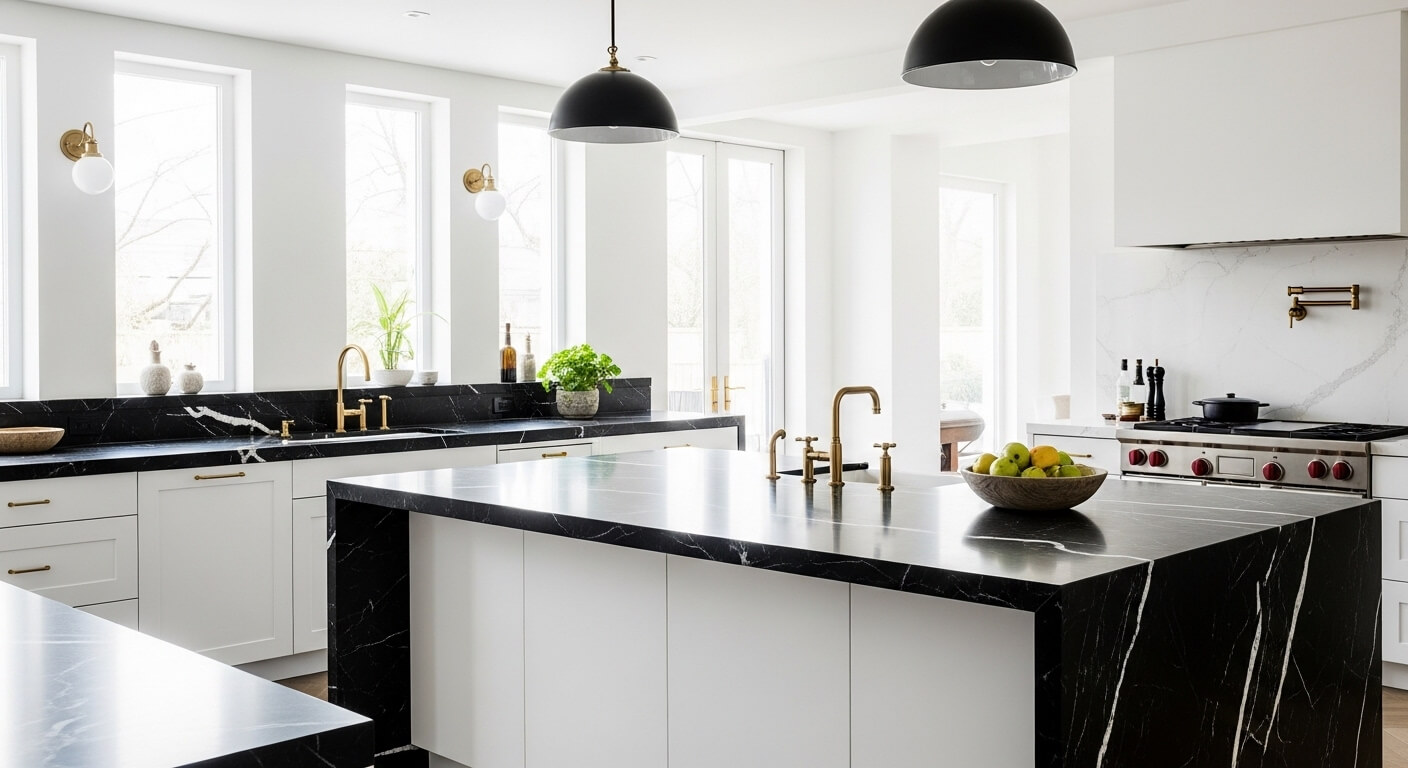
Use patterned decorative porcelain tile as a backsplash to introduce color and visual interest without compromising durability or heat resistance. Large-format porcelain slabs can clad island faces for a continuous, low-maintenance look. Consider coordinating grout color with tile tones for either bold contrast or a seamless appearance.
Bathroom accent walls and shower surrounds
Porcelain tile is water-resistant and stain-resistant, making it a practical choice for shower walls and tub surrounds. Vertical banding, mosaic inserts, or a full-height patterned wall can define the space. For wet-floor applications, choose tiles and finishes with an appropriate slip-resistance rating.
Floor patterns and transitions
Mixing solid-color porcelain tiles with decorative fields or borders creates durable and easy-to-clean floors. Herringbone, chevron, or modular patterns can visually expand small rooms. For transitions between rooms, use threshold tiles or a decorative run of accent tiles to link different floor materials.
Stair risers and fireplace surrounds
Decorative porcelain tile on stair risers adds personality while riser surfaces are less exposed to wear than treads. Around a fireplace, glazed porcelain with heat-resistant properties provides a decorative focal point that withstands temperature changes when installed according to local building codes.
Outdoor patios, pool decks, and facades
Choose porcelain pavers rated for exterior use with a textured or matte finish to reduce slip risk. Porcelain's low water absorption reduces frost-related damage in cold climates. Confirm outdoor suitability through product performance ratings and manufacturer specifications.
Planning, installation, and standards
Proper planning affects appearance and longevity. Substrate preparation, mortar selection, and correct grouting are essential. For best results, follow recognized industry guidance and local codes; for example, the Tile Council of North America provides installation methods and performance standards referenced by many professionals. Consider movement joints, substrate flatness tolerances, and the tile's coefficient of friction (COF) for walking surfaces.
Selecting grout, sealers, and adhesives
Use grout suited to joint width and traffic conditions—sanded grout for wider joints, unsanded for narrow. While glazed porcelain generally does not need sealing, textured edges or grout lines may benefit from sealants on high-stain-risk surfaces. Choose polymer-modified thin-set mortars for most porcelain installations unless the manufacturer specifies an alternative.
Slip resistance and safety
For floors, especially near water, consult COF ratings. Many building codes and accessibility standards reference slip-resistance criteria; choose tiles with a higher textured finish or apply anti-slip treatments where appropriate.
Sourcing, sustainability, and budget considerations
Compare tile samples in the intended lighting and view them laid out to evaluate joint alignment and repeating patterns. Porcelain tiles vary widely in price depending on size, finish, and print quality. Reclaimed or remnant tiles can reduce costs for accent projects. Look for manufacturers' environmental certifications and recycled content claims to support sustainable choices.
Maintenance and long-term care
Routine cleaning with neutral pH cleaners preserves appearance without damaging glazes or grout. Avoid abrasive pads that can dull polished finishes. Periodic grout cleaning and resealing when recommended will extend the aesthetic life of installations. For heavy-stain areas, follow manufacturer care instructions to avoid chemical damage.
What are the advantages of decorative porcelain tile?
Decorative porcelain tile combines low water absorption, resistance to wear and staining, and a wide palette of designs. It performs well in kitchens, bathrooms, and high-traffic areas while offering design flexibility through patterns, textures, and large-format printing technologies.
How to choose tile size and pattern for a small room?
In small rooms, larger format tiles with minimal grout lines can create a sense of spaciousness. Select subdued patterns or run tiles vertically to emphasize height. Test layouts with samples to confirm the visual scale before installation.
Can decorative porcelain tile be used outdoors?
Yes—when tiles are rated for exterior use and have appropriate slip-resistance and frost resistance. Verify product specifications and installation recommendations for outdoor environments.
How long does a porcelain tile installation typically last?
With proper installation and maintenance, porcelain tile installations can last decades. Longevity depends on substrate preparation, correct materials, and routine care of grout and seals.
Where to find professional guidance and standards?
Industry organizations and local building authorities provide installation standards and best practices. Consult recognized technical guides and inspectors to ensure compliance with local codes and to select materials suitable for specific applications.
Are there cost-effective ways to use decorative porcelain tile?
Focus decorative tile on focal areas—backsplashes, accent bands, or stair risers—while using plain porcelain or coordinated large-format tiles for larger expanses. This approach balances visual impact and budget.
Can decorative porcelain tile mimic other materials?
Advanced printing and finishing technologies allow porcelain to convincingly mimic stone, wood, metal, and cement finishes while offering the performance benefits of porcelain.