Complete Guide to Dental Implants in Bangalore: Costs, Procedures & Recovery
-

- March 02nd, 2026
- 224 views
Dental implants in Bangalore are a common, reliable way to replace missing teeth and restore chewing, speech, and confidence. This guide explains who is a good candidate, typical costs, the implant process, recovery expectations, and how to evaluate clinics so decisions are informed and practical.
- Detected intent: Informational
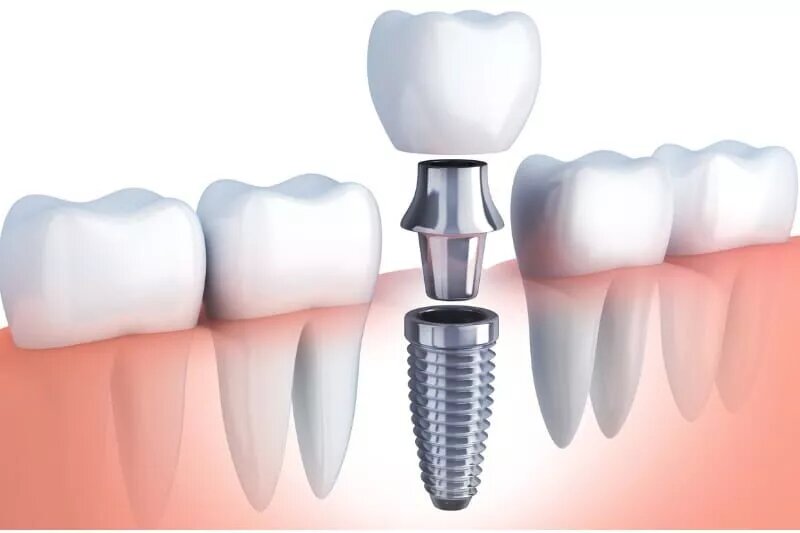
- Dental implants replace tooth roots with titanium posts and a crown; typical timeline is 3–9 months depending on bone grafting and healing.
- Key decisions: implant type, surgeon experience, and whether bone grafting or sinus lift is needed.
- Use the IMPLANT checklist below to compare clinics and treatment plans.
Dental implants in Bangalore: what to expect and how to prepare
The term dental implants refers to endosteal titanium fixtures placed into the jaw to support crowns, bridges, or dentures. Expect an initial consultation with digital X-rays or CBCT scans, a treatment plan, and a staged procedure: implant placement, osseointegration (bone integration), and final restoration. Costs and timelines vary by case complexity, which makes comparing written plans essential.
How dental implants work: key terms and the clinical process
Common technical terms to know: osseointegration (bone bonding with the implant), abutment (connector between implant and crown), immediate vs delayed loading (when the crown is attached), bone grafting, and sinus lift for upper-back teeth. Clinicians who specialize in implantology may be prosthodontists, periodontists, or oral surgeons.
Single-tooth implant procedure Bangalore: typical steps
A single-tooth implant procedure Bangalore patients receive usually follows these steps: consult and scan, extraction if needed, implant placement, healing period (6–16 weeks), impression and crown fabrication, and final placement. If the jawbone lacks volume, a bone graft adds time and cost.
Affordable dental implants Bangalore: cost factors
Costs depend on the implant brand, the need for grafts or sinus lifts, the complexity of the case, surgeon experience, and whether guided-surgery or digital workflows are used. Clinics may list per-implant prices but always compare the comprehensive estimate (consultation, scans, surgery, restoration, follow-up).
IMPLANT checklist: a named framework for choosing treatment
The IMPLANT checklist is a concise framework to compare clinics and recommendations:
- I — Imaging: CBCT and clear written scans recommended
- M — Materials: implant brand, abutment, and crown materials listed
- P — Planning: digital planning, templates, or guides used?
- L — Liability & licensing: clinician credentials and clinic permits
- A — Aftercare: warranty, follow-up schedule, and maintenance
- N — Numbers: itemized cost breakdown and timeline in writing
- T — Team: multidisciplinary involvement (prosthodontist, surgeon, lab)
Real-world example: a typical case in Bangalore
Scenario: A 48-year-old with one failing molar and moderate bone loss seeks a fixed replacement. Plan: extraction and ridge preservation, 4-month healing, implant placement with a standard titanium post, 3-month osseointegration, and final crown after impressions. Total time: about 7–9 months. Cost range depends on graft materials and lab work; the clinic provides an itemized quote and 1-year follow-up.
Practical tips before booking a consultation
- Bring previous dental records and X-rays; ask the clinic to perform a CBCT if available for accurate bone assessment.
- Request an itemized written plan including implant brand, abutment type, and who will fabricate the crown.
- Ask about the experience of the specific clinician, complication rates, and published protocols for immediate vs delayed loading.
- Confirm post-operative care, follow-up schedule, and what warranty or guarantees exist for the implant and prosthesis.
Common mistakes and trade-offs when choosing implants
Common mistakes include selecting solely on price, skipping a CBCT scan, accepting verbal estimates, or failing to confirm who will make the final crown. Trade-offs often involve time versus cost: immediate loading can shorten treatment but may increase risk in low-bone cases, while staged approaches add time and expense but raise long-term success odds.
Practical tips: 4 action items to protect outcomes
- Get CBCT imaging for any posterior or grafted sites to confirm bone volume.
- Insist on a written timeline and itemized costs including lab fees.
- Verify that the clinic uses a recognized implant system and asks about supplier traceability.
- Plan for maintenance: professional cleaning and night guards if bruxism is present.
For clinical best practices and patient information on implants and restorative dentistry, authoritative bodies like the American Dental Association provide useful overviews.
Aftercare and long-term maintenance
After placing dental implants, follow-up visits to check integration and soft-tissue health are critical. Regular professional cleanings, attention to plaque control, and avoiding smoking improve long-term survival. Crowns may need replacement after 10–15 years depending on wear.
Core cluster questions (for related articles and internal linking)
- What is the recovery timeline after dental implant surgery?
- When is bone grafting necessary for dental implants?
- How do implant-supported dentures differ from conventional dentures?
- What are the success rates and common complications of dental implants?
- How to prepare for a dental implant consultation?
Choosing the right clinic in Bangalore
Evaluate clinics using the IMPLANT checklist above, review before/after cases for similar situations, and confirm multidisciplinary access to prosthodontic and surgical expertise. Patient reviews and documented case histories can clarify what to expect, but focus on the documented plan over testimonials alone.
Cost expectations and financing
Expect a wide cost range. Ask for a comprehensive quote that lists scans, grafts, implants, abutments, crowns, and follow-up. Some clinics offer staggered payments or treatment financing — verify terms and any interest or hidden fees.
When implants are not the best option
Alternative options include fixed bridges or removable partial dentures when bone loss is severe, systemic health contraindicates surgery, or the patient prefers a less invasive, lower-cost solution. A careful evaluation from a qualified dentist will outline suitable alternatives and their trade-offs.
Next steps
Schedule a consultation with clinics that provide CBCT imaging and an itemized written plan. Use the IMPLANT checklist during consultations to compare recommendations objectively.
FAQ
How much do dental implants in Bangalore cost?
Costs vary widely by case complexity; a single-tooth implant with a standard implant and crown may be priced as a package, but expect variations from clinic to clinic. Always request an itemized written estimate including scans, grafts, implant components, and laboratory fees before deciding.
Are dental implants painful?
Placement is done under local anesthesia. Mild to moderate post-operative discomfort is common for a few days and managed with prescribed pain relief, cold packs, and following post-op instructions.
What is the success rate of dental implants?
Success rates reported in the literature for properly planned and placed implants typically exceed 90–95% over several years, though individual results depend on health, bone quality, smoking status, and maintenance.
How long after tooth extraction can an implant be placed?
Implants may be placed immediately in some cases, delayed by a few weeks, or after months if bone grafting is needed. The decision depends on infection control, bone volume, and overall treatment goals.
Who is not a candidate for dental implants?
Some patients with uncontrolled diabetes, active cancer treatment, heavy smokers, or severe bruxism may have higher risks; a thorough medical and dental evaluation will determine suitability and possible risk mitigation.