Designing a Personal Haven: Practical Guide to Home Comfort and Style
-

- February 23rd, 2026
- 1,260 views
Creating a haven at home begins with small, intentional choices that improve comfort, function, and well-being. This guide outlines practical steps and design principles for creating a haven that supports daily routines, reduces stress, and reflects personal taste without relying on trends or expensive renovations.
- Focus on layout, natural light, and clear circulation to make spaces feel larger and calmer.
- Prioritize indoor air quality, durable materials, and easy maintenance for long-term comfort.
- Use color, texture, and storage to balance aesthetics with function.
- Personalize with meaningful objects, plants, and routines for emotional connection.
- Follow basic sustainability and safety recommendations from recognized authorities when possible.
Principles of creating a haven
Balance function and beauty
A space that looks good but is hard to use will not feel restful. Prioritize layouts that support common activities—cooking, working, relaxing—and choose durable, easy-to-clean finishes where needed. Aim for visual simplicity by reducing clutter and keeping surfaces clear of items that aren’t used regularly.
Comfort and ergonomics
Comfortable seating, proper mattress support, and ergonomic workstations reduce physical strain and make daily life easier. Consider furniture scale relative to room size and circulation paths so movement is unobstructed.
Layout, light, and flow
Maximize natural light
Natural light improves mood and makes spaces feel larger. Use window treatments that allow daylight while limiting glare. Reflective surfaces and light wall colors can amplify available light.
Plan for clear circulation
Arrange furniture to create clear pathways between key zones (entry, seating, kitchen). Avoid blocking windows or doors and keep commonly used items within easy reach to reduce friction in daily routines.
Materials, indoor air quality, and sustainability
Choose low-maintenance, durable materials
Surfaces that resist stains and wear—such as sealed wood, quality laminates, and washable textiles—help a home stay tidy and attractive with minimal effort. When possible, select materials with clear durability ratings or care instructions.
Mind indoor air quality
Ventilation and source control are primary ways to maintain healthier indoor air. Use exhaust fans in kitchens and bathrooms, avoid prolonged use of unvented combustion appliances, and choose low-VOC paints and finishes. For guidance on indoor air quality best practices, consult official resources such as the U.S. Environmental Protection Agency: EPA Indoor Air Quality.
Consider sustainability
Small sustainable choices—energy-efficient lighting, programmable thermostats, and low-flow plumbing fixtures—reduce environmental impact and utility costs over time. Look for product certifications and manufacturer disclosures when choosing appliances and building materials.
Decluttering, storage, and organization
Adopt systems, not one-time fixes
Storage systems should match routines. Use designated drop zones near entries, labeled bins for similar items, and dedicated spaces for paperwork. Regularly review belongings to avoid accumulation of unused items.
Multi-functional furniture
Select furniture that doubles as storage—ottomans with compartments, beds with drawers, shelving that incorporates baskets—to keep essentials accessible while maintaining a calm visual field.
Color, texture, and finishing touches
Use color intentionally
Colors influence mood: soft neutrals and muted tones often promote relaxation, while accent colors can add energy to activity zones. Test paint samples in different light conditions before committing.
Layer texture for warmth
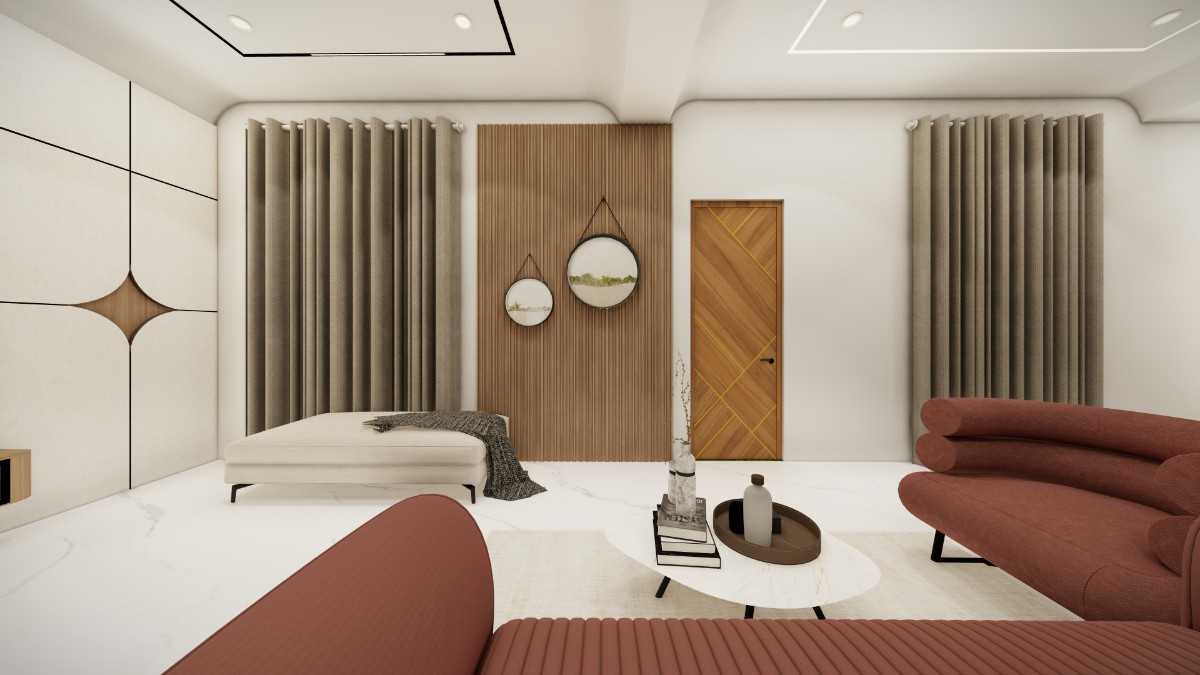
Textiles—rugs, throws, curtains—add tactile comfort and acoustic softening. Vary textures rather than patterns for a refined, soothing palette.
Personalization and emotional connection
Curate meaningful objects
Display a small number of well-chosen items that evoke positive memories or represent interests. Rotating objects seasonally can refresh a space without major changes.
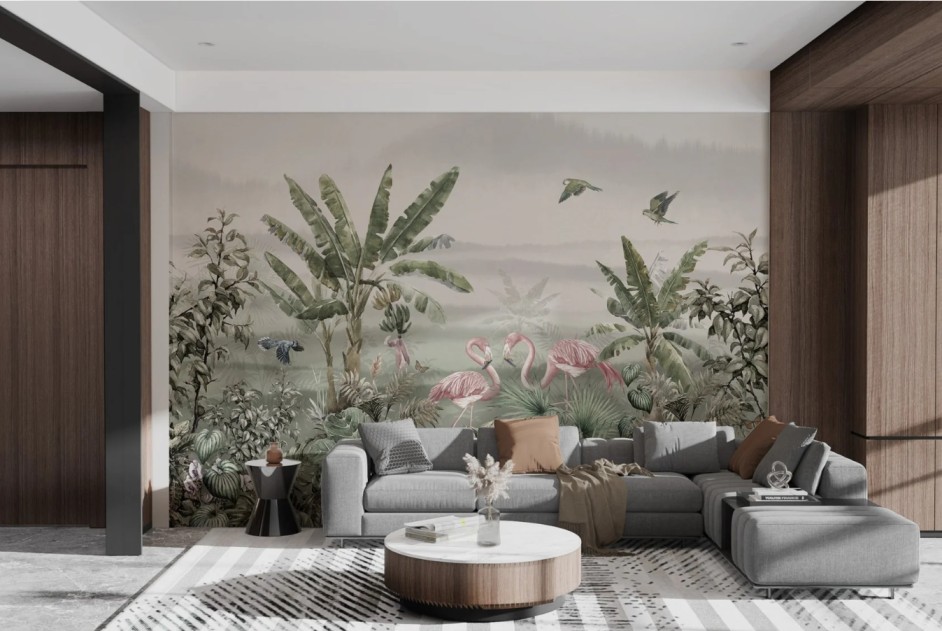
Bring nature indoors
Plants and natural materials support a sense of well-being; biophilic elements like wood grain and houseplants can reduce perceived stress and improve satisfaction with a space. Choose species suited to light conditions and maintenance preferences.
Practical maintenance and safety
Schedule simple upkeep
A regular cleaning and maintenance routine prevents small problems from becoming large. Check smoke alarms, HVAC filters, and plumbing periodically. Follow manufacturer recommendations for appliances to extend lifespan.
Prioritize safety
Ensure clear egress routes, properly installed railings, and childproofing where needed. Follow local building codes and consult licensed professionals for structural or electrical work.
Putting it together: a simple checklist
- Assess daily routines and designate zones accordingly.
- Maximize daylight and supplement with layered artificial lighting.
- Choose durable finishes and low-emission products when possible.
- Create storage systems that match habits and reduce visual clutter.
- Add personal touches and plants to foster emotional connection.
- Maintain basic safety and ventilation practices following official guidance.
How long does it take to create a haven?
Timelines vary. Small changes—rearranging furniture, adding plants, updating lighting—can have immediate impact. Larger projects like repainting or renovating require planning, budgeting, and possibly permits.
Can creating a haven improve daily life?
Designing spaces that reduce clutter, support routines, and provide comfortable places to rest can make daily tasks easier and free time more restorative. Psychological associations between environment and wellbeing are discussed in sources such as the American Psychological Association (APA), and building design principles are supported by organizations like the American Institute of Architects (AIA).
What are simple, low-cost ways to start creating a haven?
Begin with decluttering, improving lighting, adding a few textiles for warmth, and introducing one or two easy-care plants. Small, consistent upgrades often deliver the best long-term results.