Endoscopic Weight Loss in Riyadh: Procedures, Costs, Candidacy, and Safety
-

- Published Updated
- 1,408 views
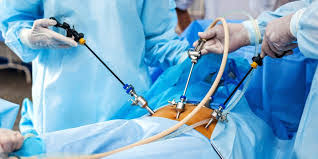
Endoscopic weight loss in Riyadh refers to minimally invasive, non-surgical procedures performed by endoscopists and bariatric specialists to assist with weight reduction. These treatments, including intragastric balloons and endoscopic sleeve gastroplasty, are offered in outpatient and hospital settings across Riyadh and aim to reduce stomach volume or alter appetite-related signaling without open surgery.
- Common endoscopic options: intragastric balloons and endoscopic sleeve gastroplasty (ESG).
- Candidate evaluation includes BMI, comorbidities, prior weight-loss attempts, and multidisciplinary assessment.
- Consider provider experience, facility accreditation, and post-procedure follow-up when choosing care in Riyadh.
What is endoscopic weight loss in Riyadh?
Endoscopic weight loss in Riyadh encompasses procedures performed via a flexible endoscope passed through the mouth into the stomach. These procedures are typically less invasive than traditional bariatric surgery and are intended for adults who have not achieved sufficient weight loss through diet, exercise, or medical therapy. Local hospitals and private clinics may offer these services under the supervision of gastroenterologists or bariatric physicians.
Common endoscopic procedures
Intragastric balloons
Intragastric balloons are temporary space-occupying devices placed endoscopically and filled with saline or gas to create a feeling of fullness. Balloons are usually left in place for six months to a year and removed endoscopically. Results vary by device and patient adherence to lifestyle changes.
Endoscopic sleeve gastroplasty (ESG)
Endoscopic sleeve gastroplasty reduces stomach volume by placing full-thickness sutures endoscopically to create a sleeve-like shape. ESG is typically considered when bariatric surgery is not preferred or when a less invasive option is suitable. Weight loss after ESG depends on baseline BMI and participation in follow-up programs.
Other minimally invasive endoscopic techniques
Additional techniques under study or limited use include endoluminal devices that alter gastric physiology, aspiration therapy, and combined approaches with pharmacotherapy. Availability in Riyadh depends on clinic offerings and regulatory approvals.
Who is a candidate?
Candidate selection generally considers body mass index (BMI), obesity-related comorbidities (such as type 2 diabetes, hypertension, or sleep apnea), prior weight-loss attempts, and readiness for lifestyle change. Typical candidacy guidelines vary: some centers reserve endoscopic options for individuals with class I–III obesity who seek less invasive care or who are not eligible for surgery. Multidisciplinary assessment by physicians, dietitians, and behavioral health professionals is recommended.
Benefits and limitations
Potential benefits
Benefits include shorter recovery times compared with open surgery, fewer incisions, and the option of outpatient care. Some procedures are reversible or temporary.
Limitations and typical outcomes
Weight loss tends to be more modest than with gastric bypass or sleeve gastrectomy. Long-term success often depends on structured follow-up, dietary changes, physical activity, and possible adjunctive medications. Device-related complications and variable insurance coverage are additional considerations.
Risks and safety considerations
Common short-term risks include nausea, vomiting, abdominal pain, and discomfort. More serious but less frequent complications can include balloon deflation, gastrointestinal perforation, bleeding, or infection. Facility accreditation, operator experience, and adherence to pre-procedure evaluation protocols reduce risks. Regulatory guidance from national medical authorities and international societies offers frameworks for safe practice; for local regulatory information, consult the Saudi Ministry of Health.
Costs and insurance
Costs vary widely depending on the procedure, facility, and whether anesthesia or overnight observation is required. In Riyadh, private clinic fees can differ substantially from hospital-based pricing. Insurance coverage for endoscopic weight-loss procedures is variable; verification with the insurer before scheduling is advised. Many centers provide bundled packages that include follow-up visits and nutrition counseling.
Choosing a clinic or provider in Riyadh
When selecting a provider, consider the following:
- Credentials and experience of the endoscopist and supporting team.
- Facility accreditation and infection-control practices.
- Availability of a multidisciplinary program with dietitians, behavioral health, and medical oversight.
- Documented outcomes, complication rates, and patient follow-up structure.
What to expect before and after the procedure
Pre-procedure evaluation usually includes medical history, labs, and sometimes imaging. Preparation may require dietary modifications and temporary medication adjustments. Recovery times vary: intragastric balloons may involve several days of early symptoms, while ESG patients commonly return to routine activities within a few days to a week. Long-term follow-up focuses on nutrition, physical activity, and monitoring for complications.
Regulation, evidence, and professional guidance
Evidence for endoscopic weight-loss procedures comes from clinical trials and registries. Professional societies such as the American Society for Gastrointestinal Endoscopy and bariatric surgery organizations publish practice guidelines. National regulators set device approvals and clinical practice requirements; local standards in Saudi Arabia are overseen by the Saudi Ministry of Health.
Frequently asked questions
Is endoscopic weight loss in Riyadh safe?
Safety depends on the specific procedure, the treating team’s experience, facility standards, and patient health. Serious complications are uncommon but possible. A thorough pre-procedure assessment and post-procedure follow-up reduce risk.
How much weight can be expected after an endoscopic procedure?
Expected weight loss varies by procedure and individual factors. Many patients achieve clinically meaningful weight reduction when endoscopic treatment is combined with structured lifestyle changes and medical follow-up. Long-term outcomes depend on sustained behavioral changes.
How to verify a clinic's qualifications in Riyadh?
Confirm clinician credentials, ask about procedural volume and outcomes, verify facility accreditation, and ensure a coordinated follow-up program with nutrition and behavioral support.
Are endoscopic options permanent?
Some options are temporary (for example, intragastric balloons), while others like ESG create a more lasting anatomical change. Reversibility depends on the method used.
Where to find more information on standards and device approvals?
Official sources such as national health authorities, international professional societies, and peer-reviewed journals provide guidance on standards and device approvals. Local regulatory information is available through the Saudi Ministry of Health.