How Uber for Grocery Will Transform Delivery: Technology, Logistics, and What Comes Next
-

- Published Updated
- 1,138 views
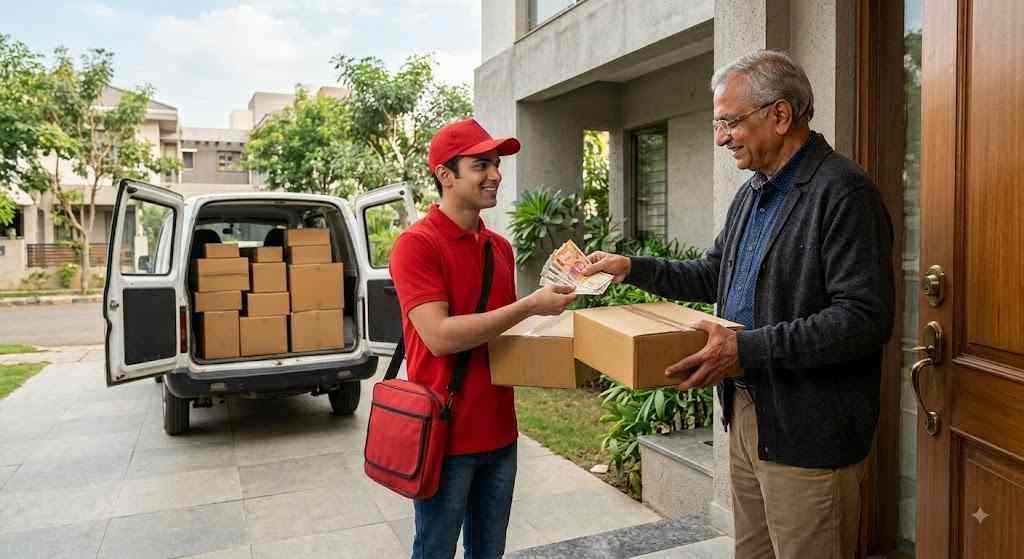
The concept of Uber for grocery has reshaped expectations for convenience in food retail, combining on-demand apps, gig workforce coordination, and near-real-time inventory systems to deliver groceries quickly. This article examines the technological, operational, and regulatory innovations that will shape the next decade of grocery delivery and the implications for retailers, couriers, and consumers.
- On-demand delivery models tie together last-mile logistics, real-time inventory, and gig labor to enable rapid grocery delivery.
- Key innovations include micro-fulfillment centers, advanced routing algorithms, autonomous vehicles and drones, and enhanced cold-chain management.
- Regulation and worker protections, along with sustainability and cost pressures, will influence how widely these models expand.
- Consumers can expect faster delivery windows, improved tracking, and more personalized shopping experiences driven by machine learning.
Why 'Uber for grocery' models matter for modern retail
Delivering groceries on-demand changes core parts of the food supply chain: fulfillment moves closer to the customer, last-mile logistics become the competitive battleground, and data-driven inventory management becomes central. Retailers and third-party platforms adopt dark stores and micro-fulfillment centers to reduce delivery times, while routing optimization and dynamic pricing adjust supply and demand in real time. These shifts impact store layout, labor scheduling, and capital allocation across supermarket chains and logistics providers.
Technology enabling the shift
Real-time inventory and order orchestration
Accurate, real-time inventory systems let platforms promise short delivery windows without excessive cancellations. Integration between point-of-sale systems, warehouses, and mobile apps supports order orchestration that allocates items to the nearest fulfillment node—be it a store shelf, dark store, or micro-fulfillment center.
Routing, machine learning, and predictive demand
Advanced routing algorithms and machine learning models forecast demand, optimize driver and courier routes, and batch orders to reduce trips. Predictive analytics can pre-position inventory and staff on high-demand days, improving efficiency in last-mile delivery and lowering fulfillment costs.
Automation: robots, drones, and autonomous vehicles
Automation spans warehouse robotics for order picking to autonomous vehicles and delivery drones for the final mile. Pilot programs and research projects explore these technologies for safety and scalability; public agencies and transport regulators are tracking deployments and publishing guidelines that influence broader adoption.
Operations and logistics: from shelf to doorstep
Micro-fulfillment and dark stores
Micro-fulfillment centers and dark stores increase density of fulfillment points inside urban areas, reducing travel distance and delivery time. These facilities rely on automated picking systems and tailored inventory assortments optimized for delivery demand rather than in-store browsing.
Cold chain and perishable handling
Maintaining cold-chain integrity during rapid delivery is essential for safety and quality. Innovations include insulated packaging, temperature-tracked vehicles, and route planning that prioritizes perishable items to ensure compliance with food safety guidelines and to reduce waste.
Regulation, labor, and sustainability considerations
Worker classification, safety, and pay models
The gig economy model used by many delivery services raises questions about worker classification, minimum standards, and benefits. Regulatory developments—at local, state, and national levels—affect operating costs and business models for on-demand grocery delivery.
Environmental impact and urban planning
Consolidating deliveries, using electric vehicles, and optimizing routes can reduce emissions compared with multiple individual trips to stores. Urban planning initiatives and municipal regulations influence curb access, loading zones, and permitted drone corridors.
Policy context and oversight
Regulatory agencies such as the Federal Trade Commission and transportation authorities monitor marketplace competition, data practices, and safety standards. For research, guidelines, and regulatory updates related to transportation and autonomous systems, see the U.S. Federal Trade Commission website: https://www.ftc.gov.
What consumers and retailers can expect
Faster delivery and richer tracking
Expect narrower delivery windows, live tracking, and improved estimated arrival times driven by integrated GPS, predictive ETA, and inventory-aware platforms. Subscriptions and membership programs may bundle delivery perks and discounts for frequent users.
Personalization and new shopping formats
Machine learning enables personalized recommendations, automatic restocking suggestions, and voice or chat-assisted shopping. Retailers may offer curated assortments tailored to delivery-only operations to speed picking and lower complexity.
Cost trade-offs
Rapid delivery often incurs higher operational costs that can appear as delivery fees, minimum orders, or subscription pricing. Over time, scale, automation, and efficiency gains could lower per-order costs, but labor and regulatory trends will influence pricing dynamics.
Key challenges and areas for research
Scalability and reliability
Balancing speed with accuracy and profitability remains a core challenge. Research from logistics and operations management fields focuses on optimal placement of micro-fulfillment centers, resilient routing under uncertainty, and mixed human-robot workforces.
Equity and access
Ensuring that fast delivery services serve diverse neighborhoods, including low-income and rural areas, requires policy attention and business models that account for variable density and demand.
Data privacy and platform accountability
Platforms collect detailed data on shopping habits, locations, and delivery patterns. Clear policies and compliance with consumer protection standards are necessary to build trust.
What is 'Uber for grocery' and how does it work?
"Uber for grocery" describes on-demand platforms that connect shoppers with nearby stores and delivery couriers to provide rapid grocery delivery. Core components include a consumer app, real-time inventory, courier dispatch and routing, and fulfillment nodes such as stores or micro-fulfillment centers.
Will autonomous vehicles and drones replace human couriers?
Automation may handle some deliveries, particularly in controlled environments and for predictable routes, but human couriers are likely to remain important for complex urban deliveries, problem-solving, and customer interactions for the foreseeable future.
How do regulation and worker protections affect these services?
Local and national rules on worker classification, minimum standards, and transportation safety directly affect operating costs and service models. Policy choices will shape how platforms balance flexibility, cost, and worker protections.
How can consumers choose between delivery options?
Consider delivery speed, fees, substitution policies for out-of-stock items, temperature-controlled handling for perishables, and transparency around tracking and refunds. Comparing these factors can help select the most reliable and cost-effective option.