Painless Root Canal Treatment: Gentle, Modern Options and What to Expect
-

- March 02nd, 2026
- 243 views

Get a free topical map and start building content authority today.
Detected intent: Informational
The phrase painless root canal treatment is now used widely as clinics adopt gentler techniques, better anesthesia, and evidence-based protocols that reduce discomfort and speed recovery. This guide explains what "painless" means in practice, the clinical steps that reduce pain, and realistic expectations for outcomes and recovery.
Painless root canal treatment: What it means
"Painless root canal treatment" refers to a care approach that aims to eliminate pain during the procedure through effective anesthesia, minimize procedural discomfort, and reduce post-treatment pain with gentle technique and appropriate medications. It does not mean zero sensation in every case, but it does mean predictable pain control tailored to the patient.
How modern approaches reduce discomfort
Contemporary strategies combine improved local anesthetics, targeted nerve-block techniques, electronic apex locators, rotary nickel-titanium instrumentation, irrigation protocols, and sometimes sedation. These components, when coordinated, provide consistent anesthesia and faster, less traumatic cleaning of infected canals.
Sedation options for root canals
Sedation choices range from minimal (oral sedatives) to moderate (oral or IV sedation) and deep sedation in rare cases. Nitrous oxide (laughing gas) and oral sedatives are commonly used to reduce anxiety and make procedures feel painless for many patients. Discuss medical history and medication interactions with the clinician before choosing sedation.
Modern endodontic techniques that help
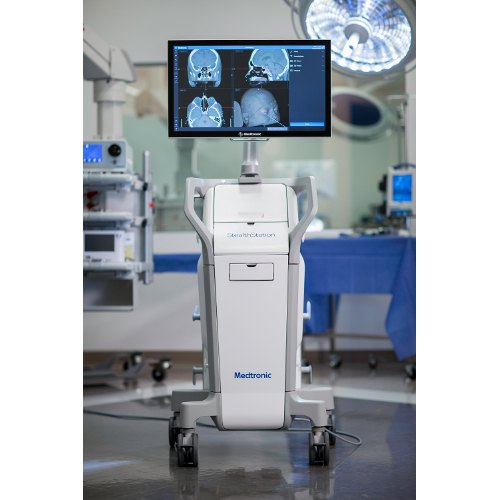
Terms to know: rotary NiTi files, ultrasonic activation, cone-beam CT (CBCT) imaging, and digital torque-controlled motors. These tools improve accuracy and reduce time in the canal, which lowers the risk of intra-procedural pain and postoperative flare-ups.
The CALM Protocol: a simple checklist to evaluate gentle root canal care
The CALM Protocol is a practical checklist for patients and clinicians to standardize pain-minimizing care.
- C — Controlled anesthesia: Use of appropriate local blocks and topical anesthetic.
- A — Accurate imaging and diagnosis: CBCT or periapical radiographs to guide treatment.
- L — Less invasive technique: Use of modern rotary files, irrigation systems, and careful instrument selection.
- M — Managed comfort plan: Sedation options, pre- and post-op analgesia, and clear aftercare instructions.
Practical example (real-world scenario)
A 38-year-old patient with a painful lower molar and swelling presented with a symptomatic pulpitis. After a targeted inferior alveolar nerve block and topical anesthetic, CBCT imaging clarified canal anatomy. Rotary NiTi instrumentation with ultrasonic irrigation shortened procedure time and improved cleaning. Oral sedation and a short course of anti-inflammatory medication kept postoperative discomfort low. The patient returned to normal activity the next day and reported only mild soreness for 48 hours.
Practical tips for patients preparing for a painless root canal
- Ask about the anesthesia plan and whether a nerve block will be used. A complete block is key for posterior teeth.
- Discuss anxiety and sedation options openly; nitrous oxide or oral sedatives often reduce perceived pain significantly.
- Request a clear aftercare plan: suggested analgesics, signs of complications, and when to call the clinic.
- Bring a list of medications and medical history; some conditions affect sedation or analgesic choices.
Common mistakes and trade-offs
Even gentle protocols involve trade-offs:
- Over-reliance on sedation can mask inadequate local anesthesia planning. Sedation reduces anxiety but does not replace proper nerve blocks.
- Faster instrumentation may save chair time but risks ledging or instrument separation if technique is poor. Skill and training matter.
- CBCT imaging improves diagnosis but increases cost and radiation exposure; use it when conventional imaging is inconclusive.
When a root canal can still be uncomfortable
In rare cases, severe infection, complex root anatomy, or previously failed treatment can make anesthesia difficult. Preoperative infection control (antibiotics when indicated) and staged treatment may be required. The American Dental Association provides evidence-based guidance on when root canal therapy is recommended and related care considerations (ADA: Root Canal Treatment).
Core cluster questions
- How long does pain usually last after a root canal?
- What sedation options are safe for anxious dental patients?
- How do modern endodontic techniques reduce the chance of complications?
- When is repeat root canal therapy (retreatment) indicated?
- What are the signs that a root canal is failing and needs follow-up?
Choosing a provider and what to ask
Choose a clinician who explains the anesthesia plan, demonstrates familiarity with current endodontic tools, and shares a clear aftercare protocol. Questions to ask: which anesthesia and sedation options are offered, what instruments and imaging are used, how many similar procedures are performed regularly, and what emergency contact is available after treatment.
Recovery expectations and follow-up care
Most patients experience mild soreness for 24–72 hours after a smooth root canal. Over-the-counter NSAIDs often control pain; prescription analgesics are rarely needed beyond the first day. A follow-up visit verifies healing and the integrity of the final restoration, which is important to prevent reinfection.
Final checklist before scheduling
- Confirm anesthesia and sedation preferences.
- Verify imaging to clarify anatomy (CBCT if complex).
- Review medication interactions and health conditions.
- Agree on a post-op pain control plan and emergency contact.
Is a painless root canal treatment really possible?
Yes, many root canals are completed with minimal or no pain when appropriate anesthesia and modern techniques are used. "Painless" is a clinical goal achieved through preparation, anesthetic choice, and technique rather than a guaranteed zero-sensation outcome for every patient.
How long will it take to recover after a gentle root canal?
Recovery time is usually short: mild discomfort for 24–72 hours, with most daily activities resumed within 24 hours. Complete resolution of soreness typically occurs within a week.
Are sedation options for root canals safe for older adults?
Sedation can be safe for older adults with appropriate medical screening and dosage adjustments. Discuss medical conditions, current medications, and any history of respiratory or cardiac issues before choosing sedation.
Do modern endodontic techniques reduce the risk of tooth loss after treatment?
Yes. Improved cleaning, shaping, and sealing methods reduce reinfection risk. Long-term outcomes also depend on a well-made permanent restoration (crown or filling) to protect the tooth from fracture.
What are common signs a root canal needs retreatment?
Persistent or returning pain, swelling, sinus tract formation, or new radiographic signs of infection warrant evaluation for retreatment or endodontic surgery.
Use the CALM Protocol checklist when discussing treatment options and recovery with a clinician. Asking specific questions about anesthesia, sedation, and imaging helps set realistic expectations and reduces the chance of unnecessary discomfort.