Hijama Treatment Cost in Dubai: What to Expect and How to Budget
-

- Published Updated
- 1,277 views
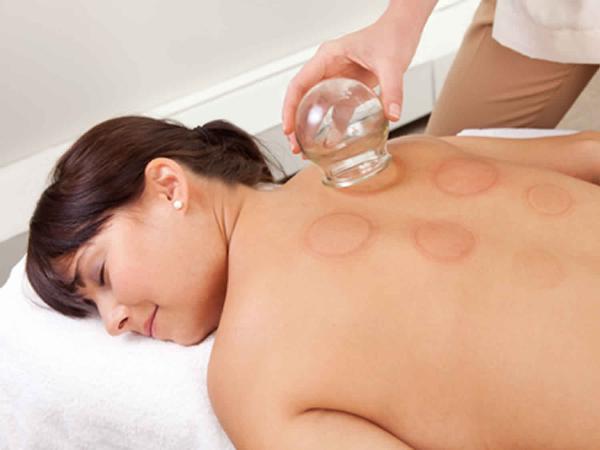
Hijama treatment cost in Dubai: what to expect
Expect the topic of Hijama treatment cost in Dubai to cover price ranges, what those fees include, and how clinic standards affect final payment. This guide explains typical costs, common add-ons, and how to compare clinics so budgeting is straightforward and safe.
- Typical session prices vary by clinic, technique (wet cupping vs dry cupping), and practitioner credentials.
- Look for transparent pricing, sterile equipment, and aftercare included in the fee.
- Use the CUPPING-PAY checklist (below) to evaluate value and safety before paying.
Detected intent: Informational
Typical price ranges and what drives them
In Dubai, cupping therapy prices range widely. A single standard Hijama session typically costs between AED 150 and AED 600 depending on factors such as clinic location, practitioner experience, the number of cups used, and whether wet cupping (bloodletting) or dry cupping is provided. Premium clinics or specialist Islamic medical centers may charge more. Additional services—consultation, sterile disposables, follow-up dressing, or targeted therapy—add to the final bill.
Pricing categories and examples
- Basic session (community clinic, simple setup): low to mid-range price.
- Standard medical clinic (licensed facility, trained practitioner): mid-range price with safety measures.
- Specialist or hospital-affiliated clinics (experienced practitioners, extended care): higher price but more comprehensive safety protocols.
How to read a price quote for Hijama treatment cost in Dubai
When a clinic provides a quote, confirm which of the following are included: practitioner consultation, disposables (needles, cups), sterilization, post-procedure dressings, and follow-up checks. A low headline price that excludes basics can end up more expensive.
Common add-ons that affect final payment
- Initial medical consultation or examination fee
- Use of single-use sterile cups or needles
- Aftercare supplies and dressing changes
- Additional targeted sessions for specific conditions
Related search terms
Other terms used by patients include "cupping therapy prices Dubai" and "Hijama session fees UAE"; these reflect the same market and help when comparing clinics online.
CUPPING-PAY checklist: a named framework to evaluate value and safety
Use the CUPPING-PAY checklist before booking or paying:
- Credentials: Verify practitioner training and clinic licensing.
- Usage: Confirm single-use disposables or proper sterilization procedures.
- Price transparency: Get a written quote listing inclusions.
- Procedure type: Wet vs dry cupping—know which is offered and why.
- Informed consent: Ensure risks and aftercare are explained.
- Nearby support: Access to medical follow-up or emergency care if needed.
- Guarantees: Clarify refunds or repeat-session policies.
Practical example: budgeting for a three-session plan
Scenario: A patient books three Hijama sessions for chronic shoulder pain at a mid-range clinic. Quoted price: AED 350 per session including consultation and disposable kits; total AED 1,050. Factor in a follow-up consultation fee (AED 100) and aftercare supplies (AED 25). Final planned budget: AED 1,175. This illustrates checking inclusions and adding modest contingency for follow-up.
Practical tips for paying and comparing clinics
- Ask for an itemized written quote to compare "apples to apples."
- Confirm single-use disposables or validated sterilization—this reduces infection risk.
- Check practitioner credentials and whether the clinic follows Dubai Health Authority or Ministry of Health registration standards.
- Inspect the treatment area for cleanliness and observe whether staff use gloves and sealed disposables.
- Budget for at least one follow-up or aftercare visit; include that cost in the total plan.
Trade-offs and common mistakes
Choosing the cheapest option can mean compromises in hygiene, practitioner experience, or aftercare. Common mistakes include paying upfront without a clear refund policy, accepting non-disposable equipment without sterilization proof, or skipping a medical consultation for underlying conditions. Higher cost does not guarantee quality, so verify credentials and facility standards.
Regulatory and safety note
Cupping and other traditional medicine practices are subject to public health guidance; when researching safety or standards, consult recognized health organizations for best-practice information. For overview guidance on traditional and complementary medicine from a recognized authority, see the WHO page on traditional medicine (WHO: Traditional, complementary and integrative medicine).
Core cluster questions
- How much does a standard Hijama session cost in Dubai and what determines the price?
- What is the difference between wet cupping and dry cupping pricing structures?
- What should be included in a safe Hijama clinic's fee?
- How to compare Hijama clinics in Dubai for price and safety?
- Are follow-up visits and aftercare usually included in Hijama session fees?
Final checklist before payment
Confirm: written price quote, practitioner credentials, disposable/sterile supplies, aftercare plan, and refund/complaint process. These five checks prevent surprises and reduce risk.
Frequently asked questions
How much does Hijama treatment cost in Dubai?
Typical ranges are AED 150–600 per session; full costs depend on clinic, practitioner experience, and included services. Ask for a written quote to know exact costs.
Are cheaper Hijama sessions a red flag?
Not always, but extremely low prices can indicate lapses in sterilization, inexperienced practitioners, or omitted consultation and aftercare. Verify safety measures regardless of price.
Will insurance cover Hijama or cupping therapy in the UAE?
Coverage varies by insurer and policy. Some insurers may cover complementary therapies if provided in licensed medical centers—confirm with the insurance provider and obtain itemized receipts.
How many sessions are typically needed for results?
Session count depends on the condition being treated. Many clinics recommend 2–4 sessions spaced over weeks, but a practitioner should provide a tailored plan after evaluation.
What to do if there is an adverse reaction after Hijama?
Seek immediate medical evaluation if there are signs of infection, excessive bleeding, or severe pain. Keep contact information for the clinic and document the reaction for follow-up care.