Insights Technology: Transforming Data into Better Business Decisions
-

- February 23rd, 2026
- 1,275 views
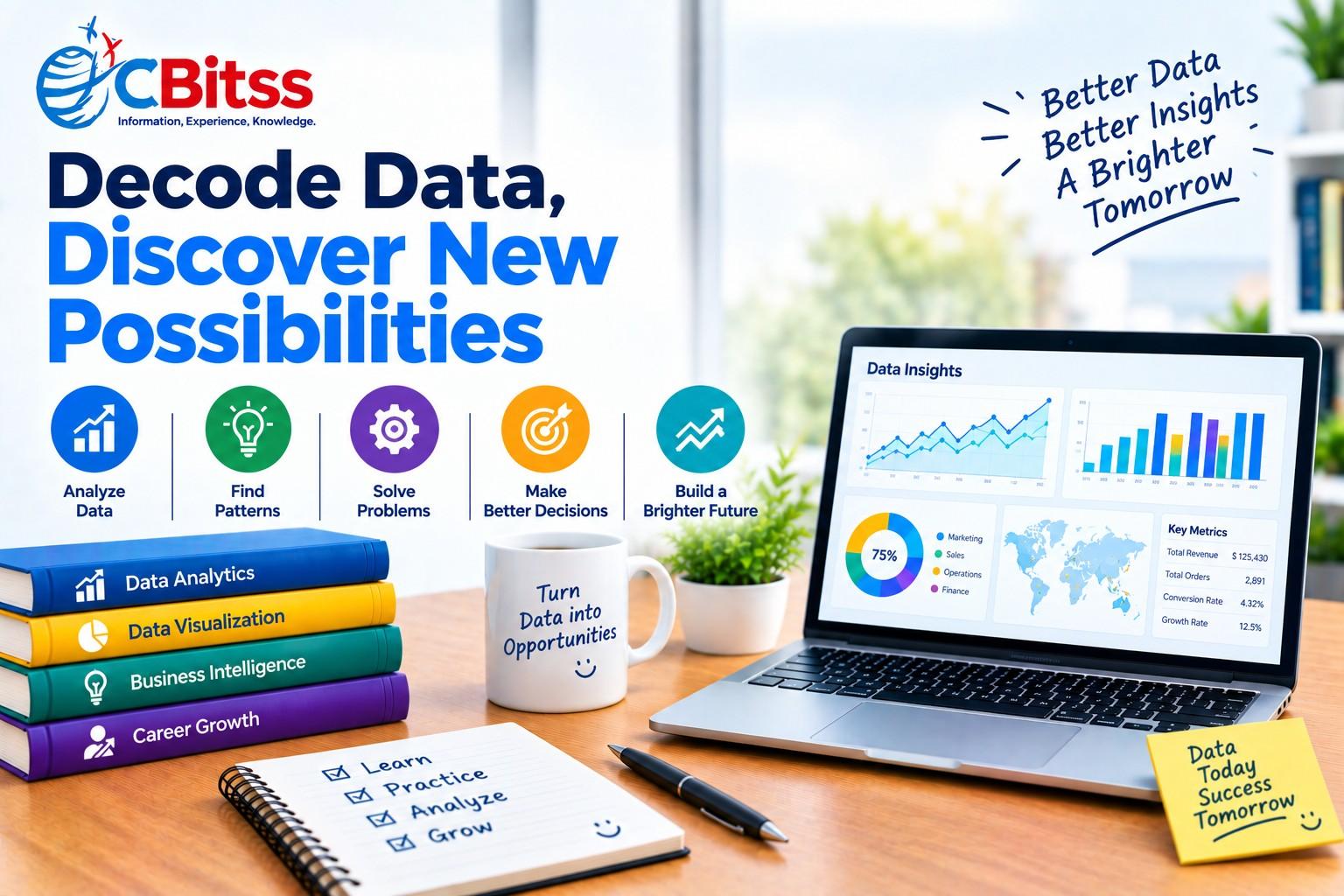
Insights technology combines data analytics, machine learning, and visualization to turn raw data into actionable knowledge for organizations seeking better outcomes. By applying predictive models, real-time dashboards, and decision-support tools, insights technology helps leaders and teams identify trends, quantify risk, and prioritize actions based on evidence rather than intuition.
- Insights technology uses analytics, AI, and visualization to improve decision-making.
- Core components include data collection, processing, models, interfaces, and governance.
- Typical benefits are faster decisions, predictive insights, and operational efficiency.
- Key considerations cover data quality, privacy (for example, GDPR), standards, and bias mitigation.
How insights technology works
Data collection and storage
At the foundation of insights technology is data: structured records, event logs, sensor streams, and third-party sources. Data platforms and data lakes provide scalable storage, while data warehouses support curated access for reporting. Effective systems use data integration and ETL/ELT pipelines to ensure timeliness and consistency across sources.
Processing and analytics
Processing layers prepare datasets for analytics by cleaning, normalizing, and enriching data. Analytical techniques range from descriptive reporting and dashboards to advanced predictive models using machine learning. Streaming analytics enable near-real-time insights for operations, while batch analytics support strategic planning.
Interpretation and delivery
Visualization tools, natural language summaries, and embedded decision-support interfaces deliver insights to users where they work. Explainable models and clear KPIs help stakeholders understand confidence levels and limitations. Human-centered design ensures insights are actionable and aligned with business processes.
Benefits and common use cases
Business outcomes
Insights technology can accelerate decision cycles, reduce operational costs, and uncover growth opportunities. Predictive maintenance in manufacturing, customer churn prediction in services, dynamic pricing in retail, and clinical risk stratification in healthcare are examples where insights shift decisions from reactive to proactive.
Sector examples
- Finance: Fraud detection, credit risk scoring, and portfolio optimization.
- Healthcare: Population health analytics, resource planning, and clinical decision support.
- Retail: Inventory optimization, personalized marketing, and demand forecasting.
- Public sector: Resource allocation, emergency response analytics, and policy evaluation.
Implementation considerations, standards, and governance
Data quality and architecture
Reliable insights require data that is accurate, timely, and fit for purpose. Data governance practices—cataloging, lineage tracking, and master data management—help maintain quality. Architectural choices should balance scalability, latency, and cost.
Privacy, regulation, and standards
Privacy regulations such as the EU's General Data Protection Regulation (GDPR) and sector-specific rules influence data handling and model use. Standards and guidance from organizations such as national standards bodies and research institutions support interoperability and security; practical frameworks are available from authorities that focus on data and analytics best practices. For technical guidance on big data and related practices, see the National Institute of Standards and Technology resources: NIST Big Data Program.
Ethics, bias, and explainability
Bias in training data or model design can produce unfair or erroneous recommendations. Implementing fairness checks, transparency measures, and human review processes helps reduce harm. Explainable AI techniques support trust and regulatory compliance.
Common challenges and how to mitigate them
Data silos and integration
Organizational silos impede comprehensive analysis. Establishing cross-functional data teams, shared platforms, and clear data ownership improves integration.
Skills and change management
Adoption often stalls without appropriate skills and governance. Invest in training, define clear roles for data engineers and analysts, and use small pilots to demonstrate value before scaling.
Measuring impact
Define metrics tied to business goals—reduced cycle time, cost savings, revenue uplift, or improved service levels. Routinely monitor model performance, drift, and business KPIs to validate ongoing value.
Best practices for deploying insights technology
Start with questions, not tools
Define the decisions that need improvement and the metrics that matter. Prioritizing use cases ensures resources focus on high-impact outcomes rather than technology for its own sake.
Iterate and govern
Begin with minimum viable analytics, validate outcomes, then iterate. Establish governance that covers data access, model validation, audit trails, and change control.
Combine human judgment with automation
Automated recommendations work best when paired with human oversight, particularly for high-stakes decisions. Create feedback loops so systems learn from outcomes and human adjustments.
Learn from research and practice
Academic research and practitioner reports, including work from institutions like MIT Sloan and Harvard Business Review, describe success factors and cautionary tales. Combining scholarly evidence with operational experience supports robust deployments.
What is insights technology and how does it improve decision-making?
Insights technology refers to systems that extract meaningful patterns from data and present them in ways that inform choices. It improves decision-making by providing evidence-based recommendations, surfacing trends that may be invisible to humans, and automating routine analyses so staff can focus on interpretation and strategy.
Which industries benefit most from insights technology?
Nearly every industry can benefit; common early adopters include finance, healthcare, retail, manufacturing, and government. Organizations with high-volume data, repeated decisions, and measurable outcomes tend to see the fastest returns.
What are the main risks when deploying insights technology?
Key risks include poor data quality, model bias, privacy violations, and overreliance on automated outputs. Risk mitigation involves governance, validation, privacy-by-design, and maintaining human oversight.
How should organizations measure the success of insights technology?
Measure both technical and business indicators: model accuracy, latency, and uptime, plus business KPIs such as cost reduction, revenue impact, customer satisfaction, and decision cycle time. Track these continuously and link them to strategic objectives.