Benefits of Rare Mad Honey: Exploring Its Origin, Unique Qualities, and Traditional Significance
-

- Published Updated
- 63 views
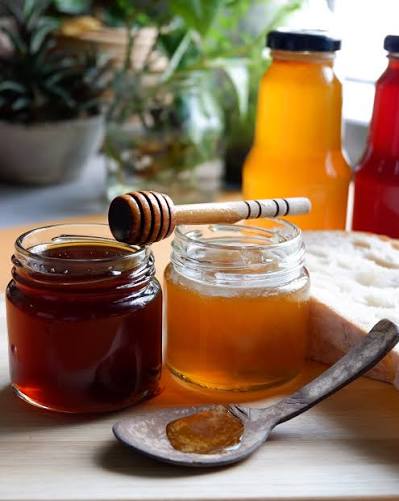
Rare mad honey is an unusual variety of honey associated with the Himalayan mountains, where bees collect nectar from certain rhododendron flowers. Its distinctive origin, traditional harvesting methods, and characteristic flavour have attracted curiosity among people interested in specialty honey. However, understanding the benefits of rare mad honey requires looking beyond marketing claims and examining its natural properties, cultural background, and potential risks.
Unlike ordinary table honey, mad honey may contain naturally occurring grayanotoxins. These compounds can cause serious adverse effects, which makes safety an essential part of any discussion about this unusual product.
What Makes Rare Mad Honey Special?
The distinctive character of rare mad honey begins with its floral source. In certain mountainous regions, honeybees collect nectar from rhododendron flowers that contain naturally occurring compounds known as grayanotoxins. The resulting honey can differ from conventional varieties in its composition and effects.
Several factors influence its characteristics, including the local vegetation, seasonal flowering patterns, environmental conditions, and harvesting techniques. These variations can affect its colour, aroma, flavour, and chemical composition.
The term rare mad honey is often used to describe specialty honey associated with particular harvesting regions or limited seasonal availability. However, rarity alone does not establish superior quality, purity, or safety. Buyers should consider reliable sourcing information and appropriate laboratory testing rather than relying only on product descriptions.
1. A Distinctive Taste and Natural Character
One quality that makes mad honey interesting to specialty honey enthusiasts is its distinctive sensory profile. Depending on its floral origin and composition, it may have an earthy aroma, a rich colour, and a flavour that differs from common floral or clover honey.
These characteristics make it an interesting subject for people exploring traditional honey varieties from different regions.
It is important to remember that taste and appearance cannot confirm the chemical composition of mad honey. A product that looks authentic or has a strong flavour may still contain potentially harmful levels of grayanotoxins.
2. A Connection to Himalayan Traditions
Mad honey Nepal is closely associated with Himalayan landscapes and traditional honey-gathering practices. In some communities, experienced harvesters collect honey from cliffside hives, using knowledge passed down through generations.
These harvesting traditions reflect a relationship between local communities, native vegetation, and seasonal changes in the mountain environment.
Exploring the background of rare mad honey can therefore offer cultural and geographical insight into how specialty honey is collected and valued. Its story is not simply about the finished product; it also involves the environment and traditional knowledge connected with its production.
3. Understanding Honey's Naturally Occurring Compounds
Honey generally contains naturally occurring sugars, small quantities of other compounds, and varying amounts of minerals and plant-derived substances. Its composition depends on the floral source and production conditions.
However, the composition of mad honey requires particular attention because certain rhododendron species contribute grayanotoxins to the nectar. These compounds distinguish mad honey from many conventional honey varieties.
Although some online sources associate medicinal mad honey with a wide range of wellness benefits, strong clinical evidence supporting these claims is lacking. The presence of natural plant compounds does not automatically make a product beneficial or safe.
For this reason, it is more accurate to discuss the natural composition of mad honey than to promise unproven health outcomes.
4. Why Is Rare Mad Honey Different from Ordinary Honey?
The primary difference is its botanical origin and the potential presence of grayanotoxins. Conventional honey is generally valued for its flavour, culinary uses, and sugar content. Mad honey, on the other hand, is recognised for its association with particular rhododendron flowers and its potential toxic effects.
Other differences can include:
Floral source: The nectar may come from specific rhododendron species.
Seasonal availability: Production depends on flowering periods and local environmental conditions.
Regional identity: Mad honey Nepal is associated with particular Himalayan harvesting traditions.
Chemical composition: Grayanotoxin levels can vary, making appearance and taste unreliable indicators of safety.
These characteristics explain why mad honey receives attention in discussions about specialty honey. They do not demonstrate that it is healthier than ordinary honey.
5. Traditional Interest in Medicinal Mad Honey
The phrase medicinal mad honey appears in discussions of traditional practices and online wellness products. Historically, mad honey has been used in certain regional contexts, and its unusual effects have contributed to its reputation.
Nevertheless, traditional use should not be confused with scientifically proven medical effectiveness. There is insufficient reliable clinical evidence to recommend mad honey for treating illnesses, improving circulation, boosting immunity, managing pain, or enhancing general wellness.
Grayanotoxins can interfere with normal electrical signalling in the heart and nervous system. Exposure may cause nausea, vomiting, dizziness, sweating, weakness, low blood pressure, and an abnormally slow heart rate. Severe poisoning can require emergency medical treatment.
Therefore, medicinal mad honey should not be promoted as a safe home remedy or a replacement for professional medical care.
6. The Importance of Responsible Sourcing
People researching rare mad honey should pay close attention to product information and seller transparency. Because naturally occurring toxins may be present, choosing a product based solely on its rarity, price, or traditional reputation is not a reliable approach.
Before purchasing specialty honey, consider the following:
Verify the origin: Look for clear information about where and how the honey was collected.
Request appropriate testing: Ask whether a credible laboratory has tested the product for grayanotoxins and whether the results identify the relevant compounds and concentrations.
Question exaggerated claims: Be cautious of advertisements promising guaranteed medicinal benefits, detoxification, or cures for specific conditions.
Understand the risks: Laboratory documentation and responsible packaging do not make toxic honey safe to consume. Testing may help characterise a product, but it does not establish a safe dose.
These steps encourage informed research and more responsible expectations when exploring unusual honey varieties.
7. Rare Mad Honey and Its Place in Specialty Honey Discussions
Interest in rare mad honey reflects a broader curiosity about foods with distinctive origins, unusual production methods, and cultural significance. Consumers often want to learn how environmental conditions shape a product's flavour, appearance, and identity.
Mad honey offers an opportunity to explore these subjects while learning about the relationship between bees, rhododendron plants, and Himalayan ecosystems.
For businesses such as Strong Mad Honey, providing accurate information about origin, composition, and safety is more valuable than relying on unsupported medical promises. Clear product descriptions help readers understand what makes a honey variety distinctive without confusing rarity with proven health benefits.
Conclusion
The benefits of rare mad honey are best understood through its distinctive origin, sensory characteristics, and cultural significance rather than unverified medical claims. Its connection to Himalayan harvesting traditions, particularly those associated with mad honey Nepal, makes it an unusual subject within the world of specialty honey.
At the same time, the presence of grayanotoxins creates important safety concerns. Rare mad honey should not be assumed to be healthy simply because it is natural, traditional, or difficult to obtain.
By learning about its botanical origins, recognising the limitations of current medical evidence, and prioritising accurate product information, readers can develop a clearer understanding of this distinctive honey. Strong Mad Honey encourages informed exploration grounded in transparency, authenticity, and responsible communication.