Mini Solar Generators: Portable Sustainable Power for Home, Travel, and Emergencies
-
- Published Updated
- 1,476 views
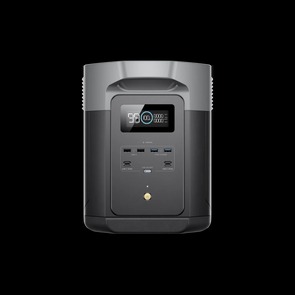
Mini solar generators are compact systems that combine photovoltaic panels, batteries, and power electronics to deliver portable renewable electricity for devices, campsites, and emergency backup. These units are designed for easy transport and use where conventional grid power is unavailable or unreliable.
- Mini solar generators pair solar panels with battery storage and an inverter to provide AC and DC power.
- Use is suitable for charging phones, laptops, small appliances, and for short-term backup during outages.
- Key considerations: battery capacity (Wh), continuous and peak output (W), inverter type, and charging options.
- Safety and compliance: follow local electrical codes and manufacturer instructions; check utility rules before grid connections.
Mini solar generators: How they work
A mini solar generator typically includes photovoltaic (PV) panels, a battery bank (often lithium-ion), a charge controller to manage incoming solar current, and an inverter to convert stored DC electricity to AC for common household devices. The system charges the internal battery when sunlight is available and supplies power from the battery when needed, providing a portable off-grid electricity source.
Core components
Common components and functions include:
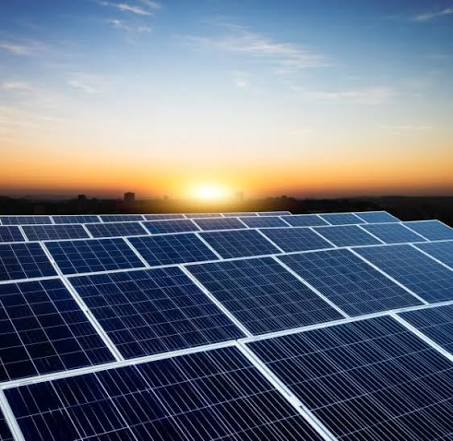
- Solar panels (PV): convert sunlight to DC electricity.
- Charge controller: regulates charging to protect the battery and improve efficiency.
- Battery storage: measured in watt-hours (Wh); stores energy for use when sun is not available.
- Inverter: converts DC battery power to AC, rated by continuous and peak output in watts.
- Ports and outlets: USB, 12 V DC, and one or more AC outlets for appliances and electronics.
Sizing and capacity
Battery capacity (Wh) and inverter output (W) determine what and how long a mini solar generator can run devices. Small units (several hundred Wh) will reliably charge phones, run LED lights, or power a laptop for multiple hours. Larger portable units (closer to 1,000 Wh) can run small refrigerators, medical devices, or power tools for shorter intervals. Always compare device energy use (watts) and runtime needs when selecting a unit.
Charging methods and efficiency
Mini solar generators may be charged by solar panels, AC mains, or vehicle 12 V outlets. Solar charging speed depends on panel output, available sunlight, and charge controller efficiency. Battery chemistry (for example lithium-ion vs. lead-acid) affects usable capacity, weight, and lifecycle.
Benefits and limitations
Benefits
- Portability: compact and easy to move for camping, remote work, or temporary power needs.
- Quiet, low maintenance: no combustion engine, reduced emissions at point of use.
- Versatility: multiple outlet types and integrated charging options for electronics and small appliances.
Limitations
- Limited runtime and power compared with whole-home generators or grid supply.
- Solar charging depends on weather and daylight; battery capacity limits overnight use.
- Higher initial cost per watt-hour than some conventional portable generators; battery replacement and disposal require responsible handling.
Choosing a mini solar generator
Match capacity to needs
Identify essential loads and estimate energy needs in watt-hours per day. Include startup and surge requirements for motors or compressors. Choose a unit with sufficient battery Wh and inverter wattage to handle peak loads and desired runtime.
Consider weight, expandability, and battery type
Weight matters for true portability; lithium-based batteries provide higher energy density but may cost more. Some systems allow parallel battery expansion or additional panels to increase runtime.
Safety and regulatory considerations
Follow local electrical codes when connecting to household circuits or integrating with home wiring. In many jurisdictions, interconnection to the utility grid requires permission and certified equipment. For authoritative guidance on solar technology and standards, refer to information from organizations such as the U.S. National Renewable Energy Laboratory (NREL): NREL. Additionally, check national or regional electrical regulations and consumer safety agencies for relevant rules and certifications.
Best practices for use and maintenance
- Charge regularly and avoid deep discharges beyond manufacturer recommendations to extend battery life.
- Store in a cool, dry place; extreme temperatures reduce battery performance and longevity.
- Use appropriate fusing and correctly rated cables when adding panels or external batteries.
- Keep firmware and controller settings updated if supported by the manufacturer; follow written instructions for safe operation.
Environmental and lifecycle notes
Mini solar generators use renewable energy at the point of use and can reduce reliance on fossil-fuel generators. Battery production and end-of-life disposal have environmental impacts; proper recycling and battery stewardship reduce waste and resource recovery concerns. For information on recycling and hazardous materials handling, consult national waste management authorities and recycling programs.
When a mini solar generator is a good fit
Mini solar generators are suitable for users needing quiet, portable power for electronics, lights, small appliances, or short-term emergency backup. They are also useful for outdoor activities, remote work, and grid-free applications. For whole-home backup or continuous high-load needs, larger systems or professional-installed solar-plus-storage solutions should be considered.
What are mini solar generators and how do they differ from larger systems?
Mini solar generators integrate PV panels, a battery, and power electronics into a compact package intended for portability and light to moderate loads. Larger systems separate components, offer higher capacities, and are typically installed by professionals for whole-home backup or grid-tied applications.
How long will a mini solar generator run my devices?
Runtime depends on the battery capacity (Wh) and the device's power draw (W). Divide the battery Wh by device watts to estimate hours of operation, and factor in inverter losses and recommended depth-of-discharge limits.
Can a mini solar generator power refrigerators or medical devices?
Some higher-capacity portable units can run small refrigerators or certain medical devices for limited periods, but compatibility depends on starting surge power and continuous load. Verify device requirements and consult product specifications before relying on a portable unit for critical equipment.
Are mini solar generators safe to use indoors?
Mini solar generators are generally safer indoors than combustion generators because they do not produce carbon monoxide. However, follow manufacturer guidance on ventilation, battery safety, and electrical connections. Comply with local regulations for indoor energy equipment.
How should a mini solar generator be maintained?
Keep the unit and panels clean, store batteries in recommended temperature ranges, avoid full deep discharges, and follow manufacturer maintenance schedules. Recycle batteries through appropriate programs at end of life.