Nutraceutical Product Development: Guide to Formulating Health-Focused Products
-

- Published Updated
- 73 views
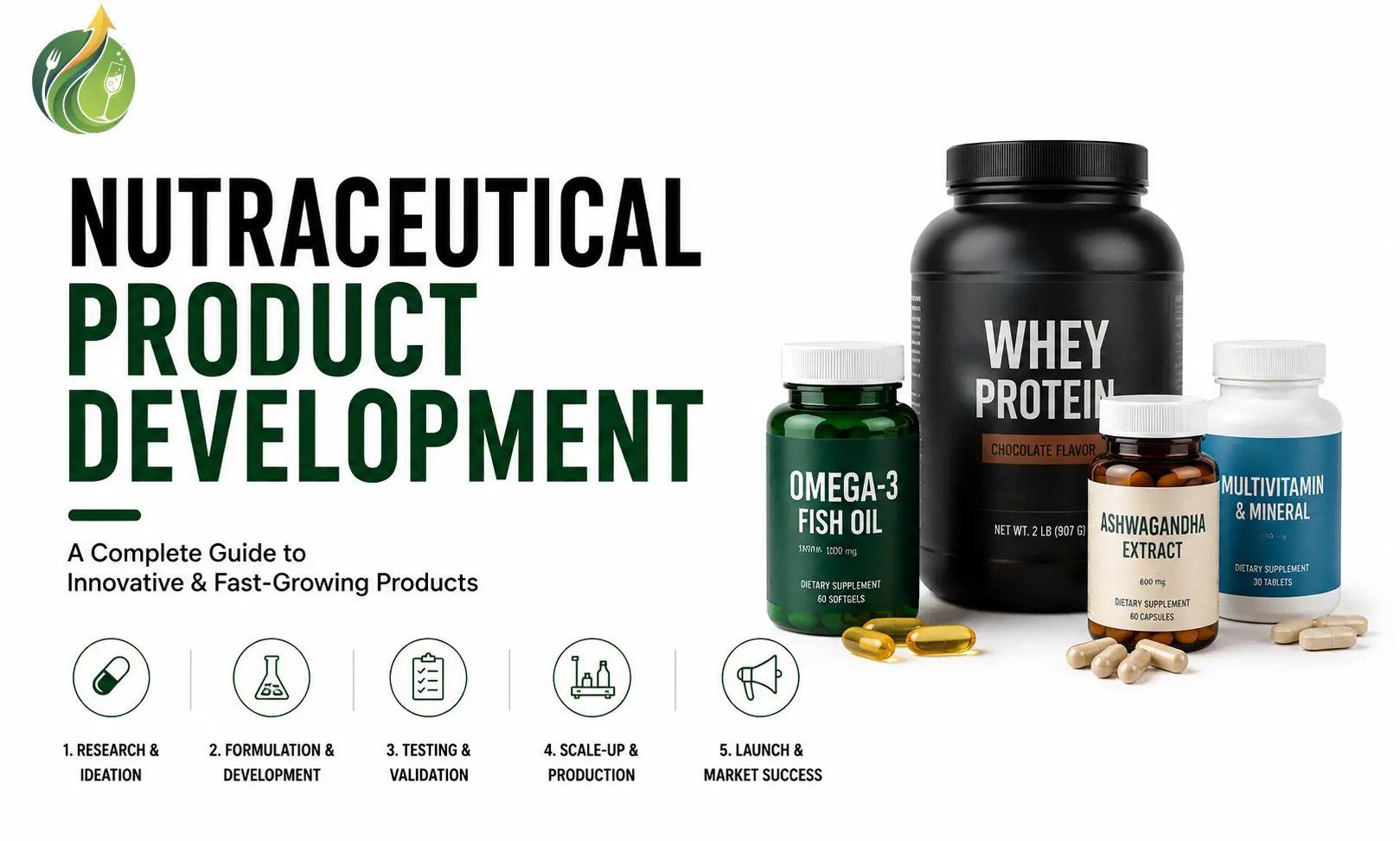
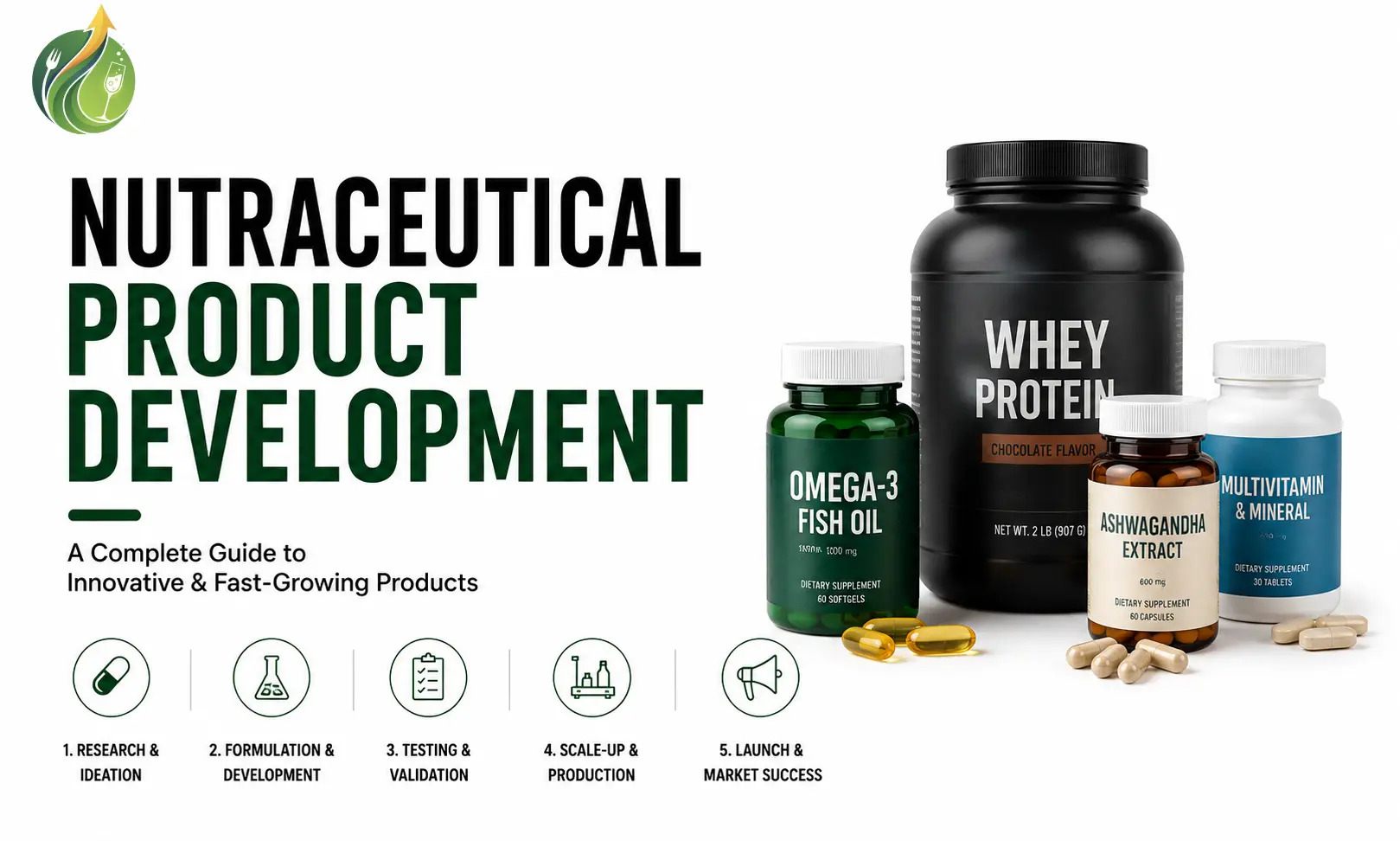
The demand for health-focused products is growing as consumers look for convenient ways to support their daily nutrition and wellness goals. From nutritional powders and functional beverages to capsules and fortified foods, businesses are exploring new opportunities in the health and nutrition market. Flavor Catalystz helps businesses develop innovative food and beverage concepts through product formulation, research, and development support.
Successful nutraceutical product development requires more than selecting beneficial ingredients. It involves understanding consumer needs, choosing suitable ingredients, developing the right formulation, ensuring product safety, and creating a product that delivers a consistent experience.
What Is Nutraceutical Product Development?
Nutraceutical product development is the process of designing and formulating products that provide nutritional or other health-related benefits. These products may include vitamins, minerals, protein powders, functional drinks, herbal formulations, and fortified food products.
The objective is to create products that meet consumer expectations while maintaining quality, stability, safety, and regulatory compliance.
Popular Types of Nutraceutical Products
-
Nutritional supplements: Products containing vitamins, minerals, and other nutrients.
Functional beverages: Drinks formulated with selected nutritional ingredients.
Protein and nutrition powders: Products designed to support specific dietary needs.
Fortified foods: Foods enhanced with additional nutrients.
Herbal and botanical products: Formulations containing selected plant-derived ingredients.
Key Steps in Nutraceutical Product Development
1. Identify Your Target Market
Before starting formulation, understand your target customers and their needs. Consider their age groups, dietary preferences, lifestyles, and purchasing habits.
For example, active consumers may prefer convenient protein powders, while busy professionals may look for easy-to-use nutritional beverages.
2. Select the Right Ingredients
Ingredient selection directly affects product quality, performance, taste, and cost. Choose ingredients according to the intended product, suitable dosage, compatibility, and applicable regulations.
Important Factors for Ingredient Selection
Ingredient quality and purity
Scientific evidence supporting the intended benefit
Solubility and compatibility
Taste, aroma, and texture
Supplier documentation and safety
Regulatory permissions and restrictions
3. Develop the Product Formulation
The formulation stage combines ingredients in suitable proportions to achieve the desired product characteristics. Developers may need to adjust sweeteners, flavours, stabilizers, carriers, or other permitted ingredients to improve the product.
For example, a nutritional powder should mix easily, have an acceptable taste, and maintain consistent quality. A functional beverage may require careful control of acidity, solubility, and ingredient stability.
4. Conduct Testing and Quality Checks
Testing helps identify formulation problems before commercial production. Depending on the product, this may include microbiological testing, nutritional analysis, ingredient verification, stability studies, and packaging compatibility testing.
5. Scale Up for Manufacturing
A formulation that works in a laboratory may behave differently during large-scale production. Pilot batches help businesses evaluate mixing, processing conditions, equipment requirements, and batch consistency before moving to commercial manufacturing.
Important Factors in Health-Focused Product Formulation
Development factor |
Why it matters |
Ingredient quality |
Supports product safety and consistency |
Taste and texture |
Improves consumer acceptance |
Nutritional profile |
Helps meet the intended product specifications |
Stability |
Helps maintain quality throughout shelf life |
Manufacturing cost |
Supports commercial feasibility |
Regulatory compliance |
Helps meet applicable legal requirements |
Emerging Opportunities in the Nutraceutical Market
Consumer interest in convenient nutrition is creating opportunities for businesses to develop differentiated products. However, market demand should be validated through research rather than assumptions.
Product category |
Development opportunity |
Functional beverages |
Convenient nutrition in ready-to-drink formats |
Protein supplements |
Powders for different dietary preferences |
Fortified foods |
Everyday products with added nutrients |
Nutritional powders |
Flexible formats for targeted nutrition |
Plant-based formulations |
Products using suitable plant-derived ingredients |
These categories can help businesses identify potential opportunities, but the right product depends on customer research, ingredient feasibility, pricing, and applicable regulations.
Regulatory Compliance and Product Safety
Regulatory compliance is an essential part of nutraceutical product development, particularly in India. Businesses must determine how their product is classified and identify the applicable requirements before manufacturing or marketing it.
Important considerations include ingredient permissions, permitted usage levels, labelling requirements, nutritional declarations, product claims, and manufacturing standards. Depending on the product category, relevant FSSAI requirements may apply.
Avoid unsupported medical claims. Product labels and marketing materials should accurately represent the product and comply with applicable regulations. Qualified regulatory professionals can help assess requirements before launch.
Common Challenges in Nutraceutical Formulation
Taste and Ingredient Compatibility
Some nutritional ingredients have bitter flavours, strong aromas, or poor solubility. Appropriate flavouring, processing, and formulation adjustments can help improve the final product.
Stability and Shelf Life
Heat, moisture, oxygen, light, and ingredient interactions can affect product quality. Suitable packaging and stability testing help identify potential issues.
Cost and Scalability
Premium ingredients may increase production costs. Developers need to balance ingredient quality, product performance, manufacturing feasibility, and the target selling price.
How Flavor Catalystz Can Support Product Development
Flavor Catalystz supports food and beverage innovation through formulation expertise, product development, flavour creation, and technical consulting. Businesses exploring health-focused products can benefit from a structured approach that considers product concept, ingredient selection, sensory quality, testing, and manufacturing feasibility.
Early development planning can help identify formulation challenges, reduce avoidable revisions, and prepare a product concept for further commercial evaluation.
Final Thought
Building a successful health-focused product requires a balance of nutritional objectives, consumer preferences, product quality, and commercial feasibility. A well-planned nutraceutical product development process helps businesses move from an initial idea to a formulation that is suitable for testing and scale-up. With support from Flavor Catalystz, businesses can approach product innovation with greater clarity and a stronger focus on quality, safety, and market needs.
Frequently Asked Questions
1. What is nutraceutical product development?
It is the process of designing, formulating, testing, and preparing nutrition-focused products for commercial production while considering quality, safety, stability, and applicable regulations.
2. Which products can be developed as nutraceuticals?
Potential formats include nutritional powders, supplements, functional beverages, fortified foods, and selected herbal or botanical products, subject to applicable requirements.
3. How long does product development take?
The timeline depends on formulation complexity, ingredient availability, testing requirements, regulatory considerations, and manufacturing readiness. A simple product may require less development time than a complex formulation.
4. Why is stability testing important?
Stability testing helps evaluate how product quality changes over time under specified storage conditions. It supports shelf-life assessment and appropriate packaging decisions.
5. Is regulatory approval required for nutraceutical products in India?
Requirements depend on product classification, ingredients, claims, and the applicable regulatory framework. Businesses should verify the relevant FSSAI requirements and obtain any necessary approvals or licences before marketing their products.