Why Businesses Need Procurement Software Solutions for Visibility
-
- Published Updated
- 6,445 views
Overview
Modern procurement is a dynamic process- it is not mere purchasing. It encompasses many activities such as supplier collaboration, compliance monitoring, strategic sourcing, and cost optimization. That‘s why organizations face challenges with visibility issues.
Nowadays, organizations make use of top procurement software solutions to handle these challenges. These platforms centralize purchasing data, streamline workflows, and provide real-time visibility throughout the procurement process.
This post digs into why organizations do not achieve procurement visibility. Let’s discuss this further.
Why Procurement Visibility Is Harder Than Ever Today
Traditional procurement was a simple process that managed a limited number of suppliers and purchase orders. Today, organizations work with large supplier networks, multiple purchasing channels, and strict regulatory requirements. As procurement responsibilities grow, it becomes increasingly challenging to monitor and manage every purchasing activity.
Over time, this creates gaps in procurement visibility.
Procurement Operations Complexities
Businesses collaborate with suppliers across various regions and industries. Procurement teams have to manage procurement requests from multiple internal departments. Because each department may follow slightly different procedures or purchasing policies, managing the overall process can become complex. As a result, maintaining a clear and complete view of the entire process becomes challenging.
Data Silos Across Procurement Systems
Fragmented data is a major barrier to procurement visibility. Without a centralized system, procurement data becomes spread across emails, spreadsheets, ERP systems, financial tools, contract platforms, and even manual documents. This fragmentation makes it difficult for teams to track purchasing activities clearly and in real time.
Limited Spend and Supplier Transparency
There is no visibility into spending and supplier performance with fragmented data. Procurement teams often struggle to see where the budget is being allocated, identify categories with potential cost-saving opportunities, or determine which suppliers are performing the best.
These visibility gaps prevent procurement teams from making strategic business decisions. While these challenges are common, they are aggravated by outdated tools and manual workflows. Let us examine where traditional procurement systems fall short.
Where Traditional Procurement Tools Fail to Deliver Visibility
Many organizations use legacy tools or basic purchasing modules within ERP systems that support basic procurement activities. As such, modern procurement operations face limitations.
Fragmented Procurement Workflows
In many organizations, traditional procurement manages sourcing, purchasing, and supplier management through separate systems or processes. Since these functions operate dependently, procurement teams do not get visibility into the entire procurement lifecycle.
Reduces Transparency
Many organizations still use manual methods for procurement approvals and documentation, such as emails, spreadsheets, paper contracts, document attachments, and manual purchase order creation. These processes may work for smaller teams. As procurement volume increases, it becomes hard to track the status of activities. There can be delays and errors.
Lack of Real-Time Procurement Analytics
Procurement teams require insights into spending, procurement cycles, supplier performance, and compliance. Traditional methods cannot extract these insights due to a lack of advanced reporting tools. As a result, teams have to spend more time collecting and organizing data instead of analyzing it.
To do away with these limitations, organizations now turn to digital procurement platforms.
How Top Procurement Software Solutions Improve Procurement Visibility
Modern procurement software solutions bring together sourcing, purchasing, supplier management, and reporting as a unified whole.
Centralized Procurement Data Management
The procurement management system provides a centralized platform for all procurement operations. So, teams can manage everything in one platform. These processes include supplier information, contracts and agreements, purchase requests, purchase orders, invoices, and payment records. This single source of truth enables procurement teams to easily access accurate and up-to-date information whenever they need it.
Automated Procurement Workflows
Automation plays a major role in improving procurement visibility. With procurement automation software, organizations can streamline routine procurement activities, including purchase request approvals, purchase order generation, supplier onboarding, and compliance verification. Automation makes every step of the procurement process traceable and recordable. This helps reduce delays and boost accountability.
Enhanced Spend Visibility Through Analytics
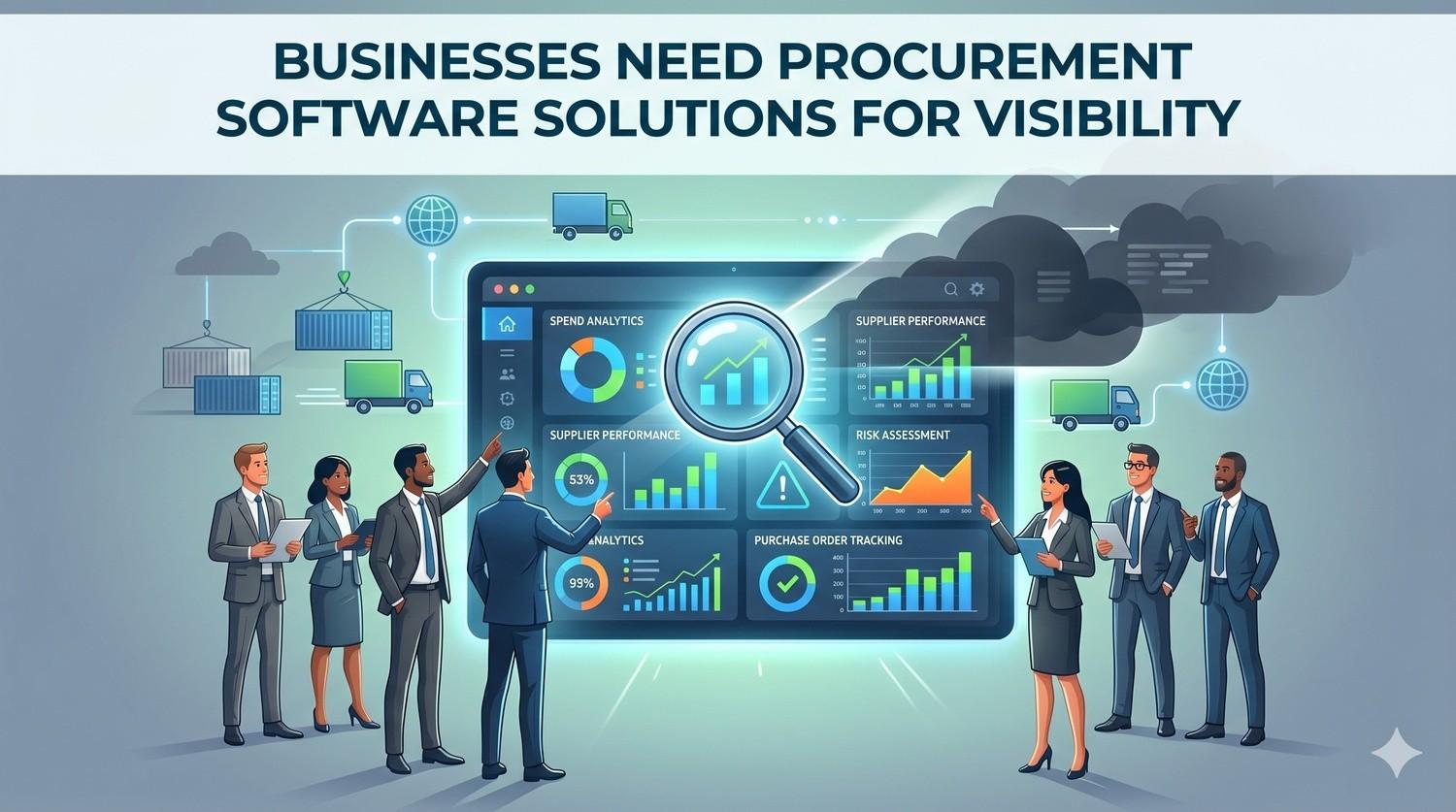
Modern procurement platforms have advanced reporting tools. These tools enable teams to analyze procurement data. These analytics allow organizations to monitor spending by category, track procurement performance, evaluate supplier trends, and measure cycle times. With clear dashboards and reports, procurement teams can quickly spot inefficiencies and discover opportunities to reduce costs.
Transparent Supplier Collaboration
Supplier collaboration also increases visibility through digital procurement platforms. These supplier portals allow suppliers to submit proposals, update company information, and track purchase orders. During competitive sourcing events, organizations can use procurement auction software to run structured bidding processes. Here, suppliers can compete openly in the auctions. Such transparency helps businesses secure competitive pricing and supplier options.
Next, we will look into the implementation of such software.
Implement Procurement Process Management Software for Full Visibility
First and foremost, organizations need to analyze and improve their existing procurement processes, such as sourcing, supplier onboarding, and approvals. For the smooth flow of data, they also need to integrate these processes with ERP and financial systems.
It is also essential for them to impart proper training to teams and suppliers to adopt the platform properly. In this way, businesses can achieve greater transparency, control, and efficiency in their procurement operations.
Once it is properly implemented, companies can further enhance procurement visibility by using advanced technologies.
Expand Procurement Visibility With Advanced Digital Capabilities
After implementing a modern procurement platform, organizations can expand into more strategic procurement activities using advanced digital capabilities.
Tools such as predictive analytics help organizations analyze past purchasing data and market trends to forecast demand and identify supply risks.
Digital sourcing tools and procurement auction software support transparent supplier bidding to secure better pricing.
By consolidating sourcing, purchasing, supplier management, and analytics in one platform, organizations get full procurement visibility. It also enhances decision-making, cost control, and supplier management.
Concluding Remarks
Visibility is the foundation of successful procurement management. When organizations do not have clear visibility into procurement activities, they struggle to control spending, monitor supplier performance, and maintain efficiency.
With top procurement software solutions, businesses can bring together procurement data, automate workflows, and gain real-time insights. This helps procurement teams make better decisions and build stronger supplier relationships.