Seasonal Floristry Trends: Flower Availability, Design and Supply Insights
-
- February 23rd, 2026
- 1,654 views
Introduction
The seasonal trends in floristry influence everything from the varieties of cut flowers available to the types of arrangements favored by consumers. Understanding seasonality helps florists, wholesalers, growers and event planners match floral design to supply cycles, manage costs and respond to changing consumer demand throughout the year.
- Seasonal availability drives flower selection: local seasons and imports fill gaps.
- Key demand peaks include Valentine's Day, Mother's Day and wedding season.
- Sustainability, greenhouse production and cold-chain logistics are rising influences.
Seasonal trends in floristry
Seasonal rhythms determine which cut flower varieties and foliage are abundant, which are expensive, and which require importation or greenhouse production. Floral calendars and crop cycles of major species such as roses, chrysanthemums, lilies and seasonal foliage guide purchasing and design decisions. Historically, many floriculture regions plan production to meet predictable peaks in demand, but global trade and controlled-environment agriculture increasingly modify traditional seasonality.
How seasons affect supply and pricing
Growing cycles and greenhouse production
Perennial and annual crops have natural flowering windows that vary by climate zone. Greenhouse cultivation and controlled-environment agriculture extend or shift those windows, enabling out-of-season availability for premium markets. However, greenhouse energy costs and labor affect price points and sustainability metrics.
Import/export and cold-chain logistics
Regions with off-season demand often rely on imported flowers. Cold storage, refrigerated transport and efficient auction or distribution systems maintain quality across long distances. Disruptions in shipping, tariff changes or weather events can quickly change availability and cost for certain stem types.
Regional differences and the flower calendar
Temperate vs. tropical supply patterns
Temperate regions see strong seasonal shifts: spring bulbs and early-summer perennials, late-summer chrysanthemums and autumn foliage. Tropical and equatorial regions can produce year-round but may time flowering with rainy and dry seasons. Knowing local floriculture capacity supports better sourcing decisions.
Local sourcing and farm-to-vase movements
Local growers can supply seasonal, fresh stems and specialty varieties that reflect regional taste and sustainability goals. Farm-to-vase initiatives emphasize traceability, reduced transport emissions and shorter supply chains, which can affect design trends and consumer messaging.
Design trends tied to seasonality
Color palettes and materials
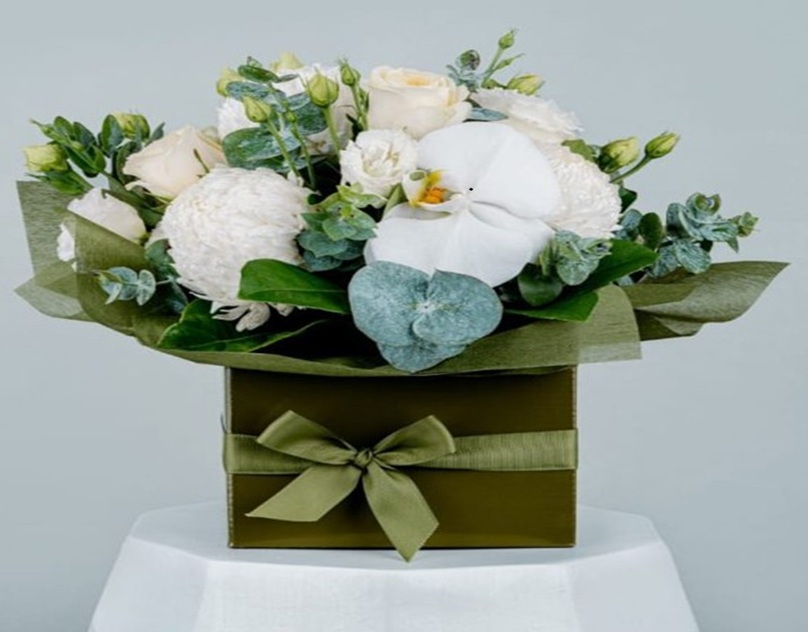
Seasonal color trends often follow nature: pastels in spring, bright bold hues in summer, warm tones in autumn and jewel tones or minimal palettes in winter. Seasonal foliage, seed heads and branches add texture and reflect the time of year in arrangements.
Event-driven demand
Major retail and event dates such as Valentine's Day, Mother's Day and wedding season create predictable peaks in demand for specific categories like roses, peonies and seasonal bridal flowers. Floral designers often plan stock and promotions around these calendar-driven opportunities.
Sustainability, climate change and long-term shifts
Environmental impacts on production
Climate variability, extreme weather and changing precipitation patterns affect crop yields and disease pressure. Growers and industry groups monitor these risks and adapt through varietal selection, water management and integrated pest management approaches informed by horticultural research.
Consumer expectations and certification
Buyers increasingly expect sustainable practices, transparency and ethical labor standards. Certifications, traceability programs and partnerships with local horticulture extension services help validate claims and meet regulatory or retailer requirements.
Practical tips for florists and buyers
Sourcing strategy
Blend local seasonal purchases with strategic imports to manage cost and continuity. Maintain relationships with multiple suppliers across regions to reduce vulnerability to single-source disruptions. Track a flower calendar by region to anticipate when a variety will rise or fall in price and availability.
Inventory and postharvest handling
Invest in proper cold storage and postharvest treatments to extend vase life and reduce waste. Forecast demand for peak periods and plan staffing and supplies accordingly. Use sustainable packaging and efficient routing to minimize costs and environmental impact.
Resources and further reading
For guidance on seasonal planting, cultivar selection and best practices in floriculture, consult horticultural organizations and academic extension services. Industry standards and consumer guidance are published by bodies such as the Royal Horticultural Society and national agricultural extension networks. The Royal Horticultural Society provides resources on seasonal gardening and flower care for varying climates: RHS.
Conclusion
Seasonal trends in floristry combine biological cycles, consumer demand and logistics. Adapting to those trends through informed sourcing, sustainable practices and design that reflects seasonal availability supports resilience, cost control and creative expression across the floral supply chain.
FAQ
What are the most important seasonal trends in floristry to track?
Key trends include seasonal availability of cut flower varieties, peaks in consumer demand around holidays and weddings, shifts toward local sourcing and sustainability, and the growing role of greenhouse production and imports in balancing supply.
How can a florist plan for seasonal shortages?
Plan early with alternate varieties, maintain supplier diversity, use greenhouse or preserved materials when appropriate, and design arrangements that allow for substitutions without compromising aesthetic goals.
How do climate change and sustainability influence seasonal trends in floristry?
Climate change alters flowering times and crop reliability, increasing interest in resilient cultivars, water-wise production and locally sourced stems. Sustainability concerns also shift consumer preference and supplier practices toward lower-impact production and transparent supply chains.
Where can authoritative information about floriculture and seasonality be found?
Authoritative sources include horticultural societies, government agricultural extension services and academic research from universities with floriculture programs. The Royal Horticultural Society and national extension networks publish practical guidance and climate-specific recommendations.
Related Posts