Commercial Interiors: Key Sustainable Design Trends for Future-Focused Workspaces
-

- February 23rd, 2026
- 1,262 views
Sustainable design trends are redefining how commercial interiors are planned, built, and maintained, with a growing emphasis on energy efficiency, healthy indoor environments, and circular material strategies. These trends respond to regulatory standards, occupant wellbeing expectations, and corporate sustainability goals while influencing procurement, design practice, and long-term operations.
- Key trends include biophilic design, circular materials, low-VOC finishes, and net-zero energy strategies.
- Certification and standards such as LEED, WELL, and ASHRAE guidance inform performance targets.
- Lifecycle thinking, supply chain transparency, and adaptive reuse reduce embodied carbon and operational costs.
Sustainable design trends shaping the future of commercial interiors
Overview and drivers
Commercial interiors are influenced by policy, occupant expectations, and asset managers seeking lower operating costs and resilience. Regulations from building authorities and standards bodies—such as ASHRAE guidance for ventilation and the growing adoption of LEED and WELL frameworks—are driving measurable performance goals for energy use, indoor air quality, and material transparency.
Materials, circular economy, and embodied carbon
Low-impact materials and life cycle assessment
Design teams increasingly apply life cycle assessment (LCA) to compare embodied carbon and environmental impacts across material options. Prioritizing materials with low embodied carbon, recycled content, and verified health product declarations reduces long-term environmental liability. Concepts such as cradle-to-cradle design and product circularity guide specification toward reusable, repairable, and recyclable components.
Circular procurement and adaptive reuse
Circular economy approaches favor adaptive reuse of existing buildings and repurposing of furniture and fixtures to avoid unnecessary demolition and new material production. Salvaged materials, modular systems, and take-back programs for furniture and finishes can extend product lifespans and limit waste sent to landfill.
Energy, systems performance, and net-zero ambitions
Energy efficiency and decarbonization
Energy-efficient lighting, high-performance HVAC, and building automation systems are fundamental to lowering operational emissions. Many organizations pursue net-zero energy or net-zero carbon targets, combining on-site efficiency measures with renewable energy procurement and demand-response capabilities.
Resilient systems and smart controls
Resilient interior systems include zoned HVAC controls, improved thermal insulation, and backup power strategies to maintain occupant comfort during outages. Smart sensors and controls enable real-time monitoring of energy, temperature, and occupancy to optimize performance and reduce waste.
Health, wellbeing, and indoor environmental quality
Indoor air quality and low-VOC specifications
Improving indoor air quality remains a priority. Specifying low-VOC paints and adhesives, high-efficiency particulate filtration, and increased outdoor air ventilation helps reduce pollutant exposure. Standards like WELL and guidance from public health agencies provide performance-based approaches for occupant health.
Biophilic and restorative design
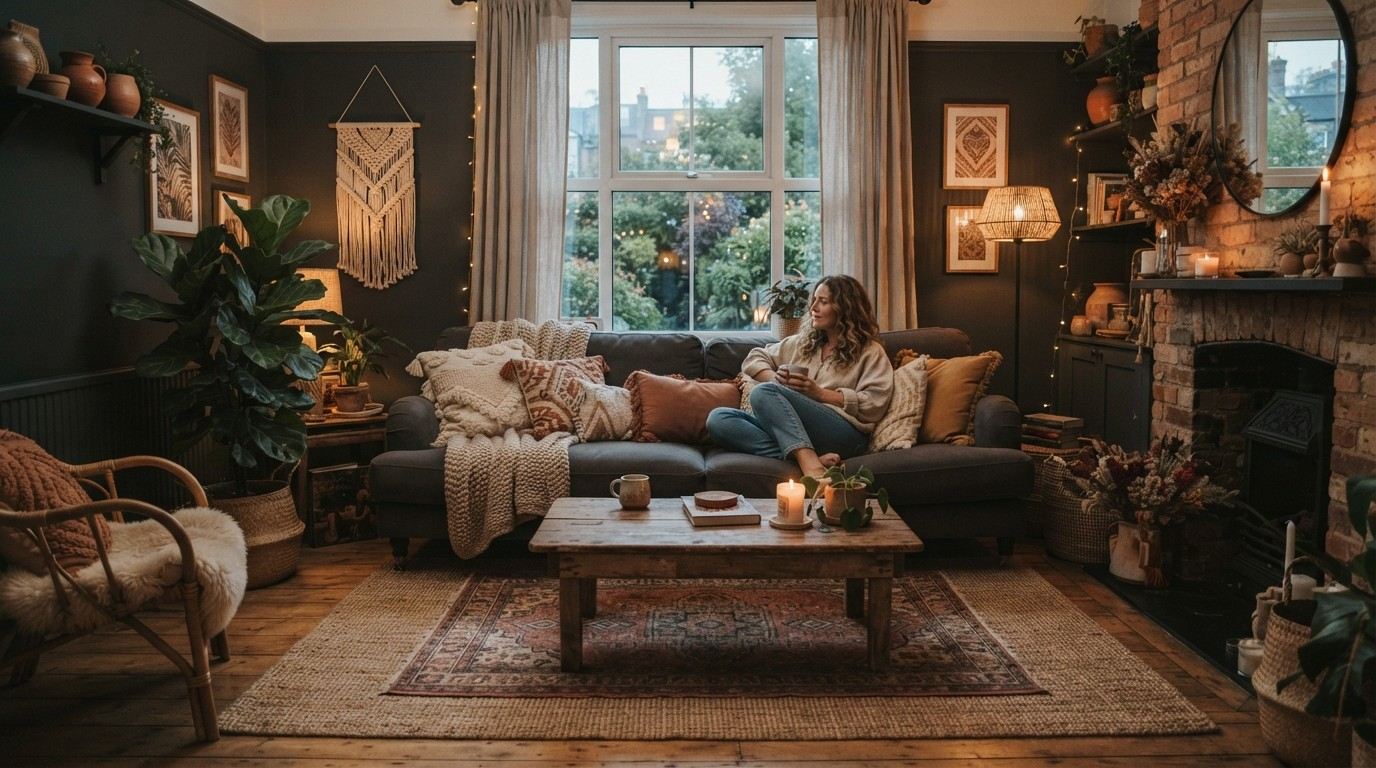
Biophilic design—integrating natural light, plant life, natural materials, and views—supports occupant wellbeing and productivity. Acoustic comfort, thermal comfort, and ergonomic layouts complement biophilic strategies to create restorative commercial interiors.
Supply chain transparency, certifications, and policy
Material transparency and certifications
Tools such as Environmental Product Declarations (EPDs) and Declare labels help designers and clients compare products on environmental and health attributes. Certification systems including LEED play a major role in setting targets and documenting performance; many project teams align interior strategies with certification goals to demonstrate compliance and public commitment to sustainability. See the U.S. Green Building Council for more on LEED and resources: U.S. Green Building Council.
Regulatory context and standards
Local building codes are evolving to include energy-performance requirements, electrification incentives, and material waste reduction mandates. Staying current with regulators and standards bodies supports compliance and can unlock financial incentives or expedited permitting for sustainable projects.
Implementation strategies and lifecycle management
Phased upgrades and cost considerations
Implementing sustainable design can be phased to manage capital costs: prioritize high-impact measures (lighting, HVAC optimization, controls) first, then address embodied carbon and full material upgrades. Total cost of ownership analyses can reveal long-term savings from reduced energy use, maintenance, and higher occupant satisfaction.
Metrics, monitoring, and verification
Post-occupancy evaluation and continuous commissioning verify that design intentions translate into measured performance. Key performance indicators include energy use intensity, indoor air pollutant levels, occupant satisfaction scores, and waste diversion rates. Ongoing monitoring supports adaptive management and continuous improvement.
Conclusion
Sustainable design trends for commercial interiors combine material innovation, energy decarbonization, occupant health, and circular economy principles. Integrating these approaches early in planning, aligning with recognized standards, and using measurable performance targets helps create interiors that are resilient, efficient, and healthier for users over their lifecycle.
Frequently asked questions
What are the most important Sustainable design trends for commercial interiors?
Priority trends include reducing embodied carbon through material selection and adaptive reuse, improving energy efficiency and electrification to support net-zero goals, enhancing indoor air quality with low-VOC materials and upgraded ventilation, and adopting circular procurement to extend product lifecycles.
How do certifications like LEED or WELL influence interior design decisions?
Certifications provide structured frameworks and measurable criteria for energy use, indoor environmental quality, material transparency, and occupant wellbeing. They guide specification choices and documentation, help quantify performance improvements, and can support market recognition or regulatory compliance.
Can existing commercial spaces be retrofitted to meet sustainable design goals?
Yes. Adaptive reuse, targeted HVAC upgrades, lighting retrofits, and interior fit-out changes such as new finishes and furniture with lower environmental impact can substantially reduce both embodied and operational impacts compared with full demolition and new construction.
How does circular economy thinking apply to office furniture and finishes?
Circular strategies include selecting modular and repairable furniture, procuring products with take-back or refurbishment programs, specifying materials with recycled content, and planning for disassembly to enable reuse at end of life.
What monitoring practices ensure sustainable interiors perform as intended?
Implement continuous monitoring for energy, indoor air quality, and occupant comfort metrics, conduct post-occupancy evaluations, and use building automation systems to adjust operations. Continuous commissioning and data-driven maintenance ensure long-term performance.