Toronto Luxury Home Design: Practical Guide to High-End Residential Architecture
-

- March 08th, 2026
- 184 views

Get a free topical map and start building content authority today.
Toronto luxury home design combines sophisticated architecture, high-performance building systems, and bespoke interiors tailored to urban lots and changing climate priorities. This guide explains practical principles that help developers, architects, and homeowners create high-end residences that perform well, look timeless, and fit Toronto's regulatory and cultural context.
- Core focus areas: site optimization, material selection, mechanical performance, and curated interiors.
- Includes the LUX-EDGE Design Checklist — a step-by-step framework for high-end projects.
- Practical tips, trade-offs, and a short real-world example specific to Toronto conditions.
Detected intent: Informational
Toronto luxury home design: essential principles
High-end residential projects in Toronto require balancing aesthetic ambition with municipal regulations, sustainability goals, and neighborhood context. Successful projects prioritize site-responsive massing, high-quality building envelope systems, and layered interiors that allow flexibility over time. Related terms include luxury residential architecture Toronto, high-end interior design Toronto, custom millwork, passive design, and high-performance glazing.
LUX-EDGE Design Checklist (framework)
The LUX-EDGE Design Checklist is a practical framework for managing a luxury home project from concept to move-in. Use it as a decision guide and procurement checklist.
- Locate & Legality: Confirm setbacks, zoning, heritage overlays, and lot coverage constraints.
- Understand Site: Analyze sun, wind, views, driveway and service access, and privacy orientation.
- Xamine Performance: Define target R-values, airtightness, and mechanical efficiency (MEP specs).
- Elevate Material Choices: Select durable exterior cladding, low-maintenance roofing, and premium fenestration.
- Design Interiors: Establish a neutral palette, scale custom joinery, and plan lighting layers.
- Govern Budget & Schedule: Include contingencies for specialty finishes and long-lead items.
- Engage Specialists Early: Structural engineer, landscape architect, acoustician, and MEP consultant.
Site strategies and municipal considerations
Toronto’s urban fabric means many luxury builds are infill or replacements on constrained lots. Efficient floorplans, stepped massing to preserve neighbor sightlines, and rooftop terraces can add value without increasing footprint. Confirm applicable development charges and conservation area rules early. For energy and sustainability best practices, official guidance such as national energy-efficiency resources and municipal green standards should be referenced to set performance targets; for example, national housing authorities provide energy-efficiency resources for new construction (see CMHC energy-efficiency guidance).
Material, systems, and performance choices
Envelope and glazing
High-performance insulation, continuous air barriers, and triple- or high-performance double-glazed windows improve comfort and reduce operating costs. In Toronto’s climate, attention to thermal bridging and vapor management prevents condensation and extends finish life.
Mechanical systems
Heat pump systems, ducted heat-recovery ventilation (HRV/ERV), and zoned radiant floors are common in luxury builds. These systems support indoor air quality and precise thermal control preferred in high-end interior design Toronto projects.
Design language and interiors
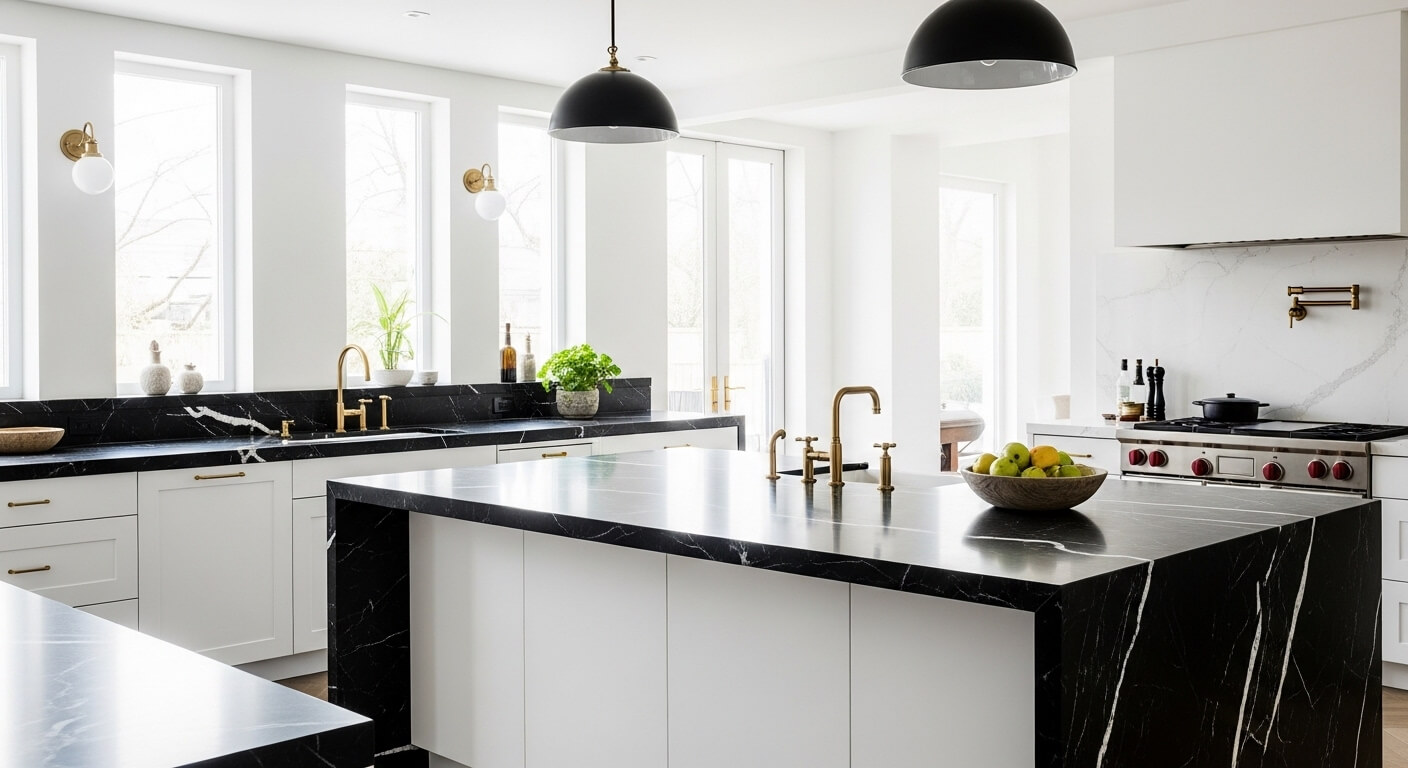
High-end interiors often combine timeless materials—stone, engineered hardwood, custom metalwork—with layered lighting and acoustical treatments. Custom millwork and integrated AV create a seamless look while allowing flexibility for changing technology and lifestyle needs.
Real-world example scenario
Scenario: A three-storey infill on a 40-foot lot in central Toronto. Goals: maximize livable area, retain mature backyard trees, and achieve high thermal performance. Actions taken: stepped third-floor massing, north-facing service core to keep living spaces south-lit, triple-glazed windows on street-facing facades for noise reduction, and a compact heat-pump system sized with an HVAC engineer. Result: a 3,200 sq ft home with a rooftop terrace, lower operational costs, and interiors designed for resale to a discerning urban buyer.
Practical tips
- Start performance targets in schematic design—set airtightness and insulation goals before finish selections.
- Reserve 15% budget contingency for specialty finishes and unexpected structural work discovered during demolition.
- Order long-lead items (windows, custom doors, specialty stone) early in the procurement schedule.
- Engage a landscape architect to integrate stormwater management and privacy planting into the early concept.
Trade-offs and common mistakes
Common trade-offs in luxury projects include cost versus longevity, aesthetic preferences versus maintainability, and openness versus acoustic privacy. Typical mistakes to avoid:
- Underestimating mechanical coordination for high ceilings and complex lighting, leading to costly on-site changes.
- Choosing finishes that require intensive maintenance without budgeting for it (e.g., exterior metals prone to staining in certain microclimates).
- Failing to confirm supplier lead times for bespoke elements, which can delay handover and increase interim accommodation costs.
Core cluster questions
- How does passive design improve comfort in Toronto luxury homes?
- What are typical construction costs per square foot for high-end residential architecture in Toronto?
- Which materials balance luxury appearance with low maintenance for Toronto exteriors?
- How to plan mechanical systems for multi-level luxury houses in cold climates?
- What permits and approvals are most commonly required for infill luxury projects in Toronto?
Procurement and working with consultants
Define roles and deliverables in contracts: schematic design, construction documents, and administration phases. Use third-party testing for airtightness (blower door) and commissioning for HVAC systems to validate performance. Where heritage or conservation rules apply, consult the municipal heritage planner early to avoid redesigns.
Measuring success
Define metrics: target energy use intensity, indoor environmental quality indicators (CO2, humidity), schedule milestones, and finish quality checklists. Post-occupancy reviews and commissioning reports help capture lessons for future projects.
FAQ
What makes Toronto luxury home design different from other cities?
Toronto projects often grapple with narrow urban lots, heritage overlays, and a seasonal climate that demands robust envelope design. Proximity to transit and neighborhood context also shape massing and façade treatments.
How much does high-end residential architecture in Toronto typically cost?
Costs vary widely by scope, finishes, and systems. Urban infill with high-end finishes and custom systems typically runs higher than suburban builds; early budget benchmarking and market quotes are essential.
Is investing in energy-efficiency worth it for luxury homes in Toronto?
Yes. Higher-efficiency envelopes and systems reduce operating costs and increase resale appeal. Official resources and standards outline best practices for energy-efficient residential construction and are useful for setting targets.
How can a homeowner start a Toronto luxury home design project?
Begin with a site and regulatory review, a realistic budget, and a shortlist of consultants. Use a checklist framework like LUX-EDGE to track decisions, procurement, and performance targets.
Where to find specialized consultants for luxury residential projects in Toronto?
Look for consultants with local experience in high-end residential architecture, landscape, and MEP systems. Verify past project references and confirm familiarity with Toronto’s building code and municipal processes.