Vital Smart Glasses Review: Real Verdict, Pros, Cons & Practical Guide
-
- Published Updated
- 237 views

Vital smart glasses review: Practical verdict for buyers
This Vital smart glasses review examines whether the product is truly revolutionary or merely overrated by comparing real-world performance, privacy implications, battery life, and ergonomic design. The goal is to give clear, practical guidance for everyday users and organizations considering purchase.
Detected intent: Commercial Investigation
- Strengths: hands-free notifications, compact HUD, useful for specific field tasks.
- Weaknesses: short battery life under heavy use, privacy and data concerns, limited prescription support.
- Use case fit: good for technicians, logistics, and hands-free workflows; less ideal as a daily consumer replacement for phones.
What the Vital smart glasses are and who they suit
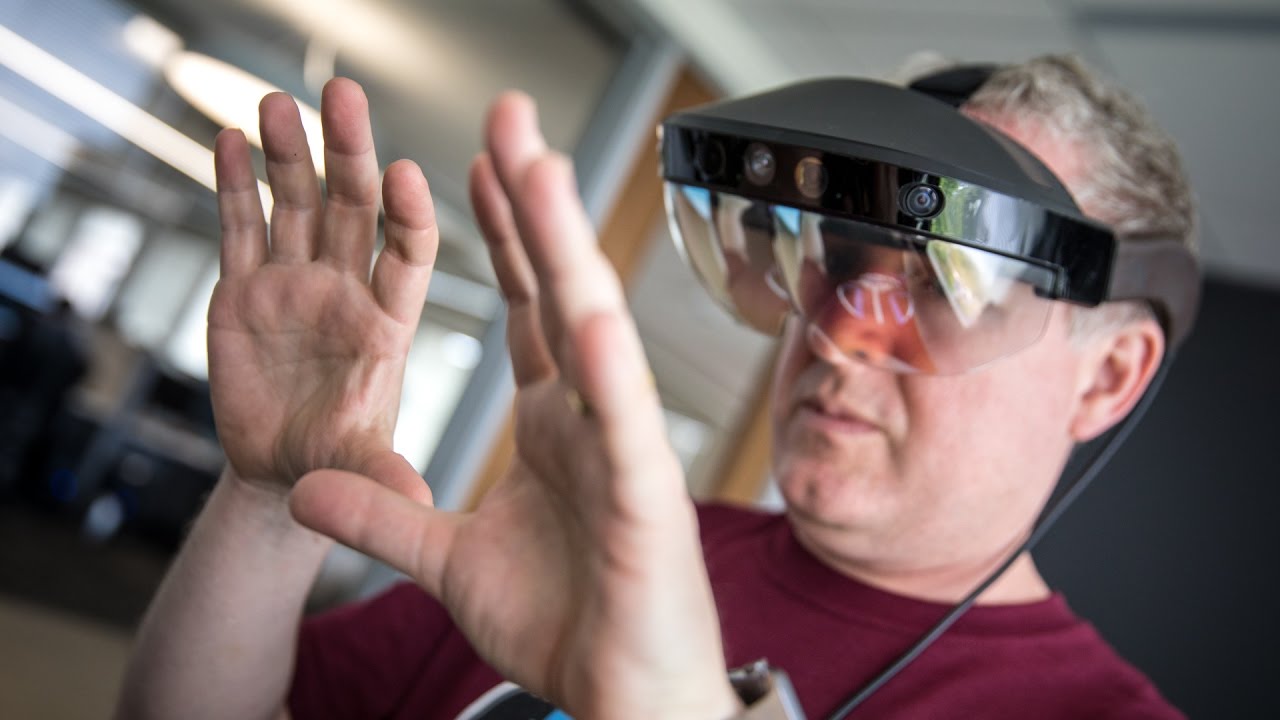
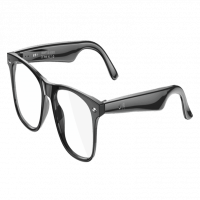
Vital smart glasses are a heads-up augmented reality (AR) wearable combining a micro-display, sensors, cameras, and wireless connectivity in a glasses frame. The target is mixed: enterprise workflows (field service, warehousing) and early-adopter consumers who want hands-free information. Important related terms include AR (augmented reality), HUD (heads-up display), edge computing, and wearable sensors.
R.E.A.L. Evaluation Checklist (named framework)
Use the R.E.A.L. framework to evaluate any smart-glasses product before purchase. This checklist helps compare models on objective criteria:
- Reliability — Processor performance, heat management, and real-world uptime.
- Ergonomics — Comfort, weight, fit with prescription lenses, and control placement.
- Accuracy & Display — Readability in daylight, AR alignment, sensor accuracy (IMU, GPS).
- Longevity — Battery life, repairability, software updates, and accessory ecosystem.
How to score using R.E.A.L.
Assign 1–5 for each criterion then prioritize criteria per use case (e.g., technicians weight Reliability and Accuracy higher).
Performance and battery: Vital smart glasses battery life test and what to expect
Battery is the most frequent bottleneck for AR wearables. Typical real-world results differ from manufacturer claims: continuous camera use, live mapping, and streaming will drain a compact battery in 2–4 hours, while light notification-only scenarios can reach 6–8 hours. Expect a significant drop in battery life when running high-refresh HUDs or LTE-connected features.
Performance notes
- CPU/GPU loads during AR overlays can cause thermal throttling in tight frames. Watch for sustained brightness demands.
- Connectivity (4G/5G vs. Wi‑Fi) has a measurable impact on both battery and latency for cloud-based features.
Privacy and security: Vital AR glasses privacy concerns explained
Smart glasses include cameras and microphones, creating both data security and social-acceptance issues. For organizations, apply standard privacy-by-design controls: limit data retention, use encryption in transit and at rest, and require explicit consent for audio/video capture. For technical guidance on privacy frameworks, follow established standards from recognized bodies such as the National Institute of Standards and Technology (NIST): NIST Privacy Framework.
Practical security checklist
- Turn off recording by default; require user confirmation for capture.
- Use authenticated device access and manage keys through an MDM or device management platform.
- Audit logs and retention policies — keep only what is necessary for the period required.
Real-world example: A field technician scenario
Scenario: A utility line technician uses Vital smart glasses to receive remote instructions, overlay schematics on equipment, and capture time-stamped images for reports. In this scenario the glasses enable hands-free workflows, reduce errors, and speed up inspections. Trade-offs include added device management for the employer and the need for hot-swappable batteries or a midday recharge plan for longer shifts.
Common mistakes and trade-offs when choosing smart glasses
Common mistakes
- Buying for hype rather than a specific workflow — lack of integration with existing software makes devices underused.
- Ignoring prescription compatibility — many models require add-on optics to support users who wear glasses.
- Underestimating total cost of ownership — batteries, repairs, software licenses, and management platforms add up.
Trade-offs to accept
- Portability vs. battery: smaller frames are lighter but have smaller batteries.
- Feature breadth vs. stability: early OS features may change; prioritize platforms with clear update policies.
- Camera power vs. privacy: more powerful optics improve utility but increase legal and social risks.
Practical tips before buying
- Test with your actual workflow: bring a representative task list to any demo and run it end-to-end.
- Check software SDK and ecosystem: verify necessary integrations (ERP, CRM, or custom field apps) exist.
- Plan for battery logistics: if a shift exceeds continuous runtime, budget for spare batteries or vehicle chargers.
- Review update and patch policies: prioritize vendors who commit to security updates and clear lifecycle timelines.
Core cluster questions for internal linking
- How do smart glasses compare to smartphones for hands-free notifications and tasks?
- What are realistic battery expectations for AR glasses in field work?
- How should enterprises manage privacy and data from wearable cameras?
- Can smart glasses be integrated with existing workflow software like digital checklists or ERPs?
- What ergonomic features matter most for multi-hour wearable use?
Decision checklist: Should this be bought for consumer or enterprise use?
Use this short checklist to decide:
- Is there a concrete workflow that requires hands-free visual data? If yes, consider enterprise deployment.
- Are battery life and repairability acceptable for expected daily use?
- Are privacy policies and device management practices in place to protect data subjects?
Final verdict
Vital smart glasses deliver meaningful benefits for targeted professional use cases and early-adopter consumers who accept current limitations. The product is not universally revolutionary yet: battery, privacy, and prescription compatibility are common blockers. For organizations with clear hands-free workflows, the glasses are a practical tool; for general consumers expecting smartphone replacement, the device is likely overrated at this stage.
FAQ
What does the Vital smart glasses review say?
The review concludes that Vital smart glasses are useful in specific enterprise scenarios (field service, logistics) but have notable limitations in battery life, privacy management, and everyday comfort for consumers.
How long does Vital smart glasses battery last under heavy use?
Under continuous camera and AR overlay use, expect 2–4 hours. Light notification-only use can reach 6–8 hours; results vary by settings and connectivity.
Are Vital smart glasses safe for privacy and data security?
Security depends on configuration. Follow privacy-by-design practices, limit retention, encrypt data, and apply device management. Refer to established privacy frameworks such as NIST for implementation guidance.
Can Vital smart glasses be used with prescription lenses?
Some models support prescription inserts or require optician modification. Confirm compatibility and trial with your prescription before committing to a purchase.
What are the top mistakes buyers make when evaluating smart glasses?
Top mistakes include buying without a workflow in mind, ignoring battery and management costs, and assuming vendor features will remain unchanged. Use the R.E.A.L. checklist to avoid these pitfalls.