Should You Turn Off Glance on the Motorola G13? Practical Reasons to Reconsider
-

- Published Updated
- 479 views
Before taking steps to turn off Glance Motorola G13, weigh the practical benefits and hidden costs. This guide explains what Glance does, how it affects battery life and privacy, the situations where disabling it makes sense, and an actionable checklist to decide confidently.
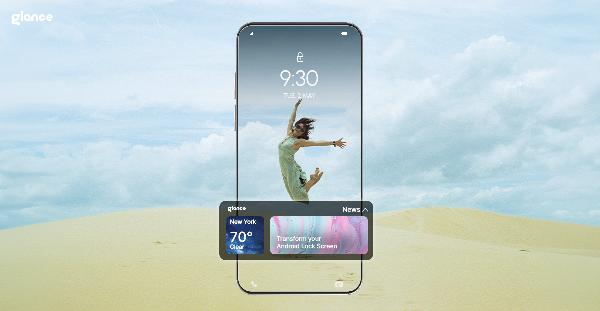
- Glance (an always-on or ambient display feature) shows notifications, time, and shortcuts while the screen is idle.
- Turning off Glance can save small amounts of battery and reduce accidental interactions, but it also removes convenient glanceable info.
- Use the DECIDE checklist (below) to evaluate whether disabling the Glance feature suits daily use, privacy, and accessibility needs.
Detected intent: Informational
How to turn off Glance Motorola G13: reasons to reconsider
The decision to turn off Glance Motorola G13 often comes from a desire to improve battery life or reduce distractions, but the feature also provides quick access to notifications, media controls, and time without unlocking the phone. Before disabling the Glance always-on display settings, consider who benefits and what is lost.
What Glance is, and what it does
Definition and common functions
Glance is an ambient display mode (also called always-on display on many Android phones) that keeps a portion of the screen active while the rest of the phone appears idle. Typical functions include showing clock and date, notification icons, media controls, and customizable shortcuts.
Related terms and technology
Related terms include always-on display (AOD), ambient display, lock screen notifications, and proximity-based wake gestures. The underlying technology combines low-power display modes, proximity sensors, and software scheduling to limit energy use while providing visible updates.
Benefits vs trade-offs of leaving Glance on
Benefits
- Quick information: See notifications, time, and caller ID without unlocking the phone.
- Reduced friction: Avoid repeated wakes to check minor updates.
- Accessibility: Easier for users with mobility constraints to get info at a glance.
Trade-offs and common mistakes
Turning off Glance to save battery or reduce distractions is reasonable, but common mistakes include overestimating battery savings, overlooking privacy impacts, and disabling useful accessibility cues. For example:
- Expecting major battery savings — in many modern phones the difference is modest because the display and sensor scheduling are optimized.
- Neglecting notification management — disabling Glance does not stop notifications; it only hides them from the ambient view, which can lead to missed urgent alerts if notification settings remain broad.
- Removing accessibility advantages — some users rely on the ambient display for quick time checks or visual alerts.
DECIDE framework: a quick decision checklist
Use the DECIDE framework to evaluate whether to disable the Glance feature:
- Detect needs — Identify why Glance is a problem (battery, privacy, distraction).
- Estimate impact — Consider likely battery savings and convenience loss.
- Check alternatives — Can Do Not Disturb, notification categories, or screen timeout achieve the same goal?
- Inspect settings — Review Glance schedule, sensitivity, and shortcuts before removing it entirely.
- Decide and test — Turn Glance off for a trial period rather than permanently disabling it right away.
- Evaluate — After testing, evaluate whether the trade-offs were worth it.
Quick real-world example
A commuter notices the Motorola G13 unlocks frequently in a crowded bag when Glance is set to wake on movement. Using the DECIDE checklist reveals that reducing accidental wakes is the main issue. Instead of disabling Glance completely, adjusting proximity sensitivity and disabling lift-to-wake resolves the accidental unlocks while preserving glanceable notifications. This scenario shows a middle path between leaving Glance on and turning it off.
Practical tips for managing Glance and related settings
- Audit notification settings: Silence low-priority apps and create notification channels for important alerts instead of disabling ambient info entirely.
- Use schedules: If available, schedule Glance to be off during sleep hours or meetings to reduce nighttime battery drain and interruptions.
- Adjust sensitivity: Reduce lift-to-wake or double-tap sensitivity to avoid accidental wake-ups that can drain battery.
- Test for a week: If turned off, track real battery impact and convenience loss over several days to make an informed choice.
For official guidance on battery and power management on Android devices, consult the platform help resources: Android Help.
How to disable or tweak the Glance always-on display settings
Exact menus can vary by phone model and software version. Common steps include navigating to Display > Ambient display or Lock screen settings and toggling the always-on or Glance option. If the goal is to reduce distractions rather than remove functionality, look for schedule, brightness, or sensitivity options first.
Common mistakes to avoid
- Assuming large battery gains: Modern OLED and low-power display tech reduce the impact of Glance on total battery life.
- Disabling without alternative controls: Turn off unnecessary notifications or use Do Not Disturb rather than removing ambient notifications completely.
- Ignoring accessibility needs: Confirm that accessibility-dependent users won’t lose important cues when Glance is disabled.
Core cluster questions
- How much battery does the always-on display use on modern phones?
- What are the privacy implications of ambient display notifications?
- How to schedule or limit Glance to certain hours?
- Can notification channels replace an always-on display for urgent alerts?
- What accessibility alternatives exist to ambient displays for quick information?
Wrap-up: a recommended approach
Rather than immediately choosing to turn off Glance Motorola G13, follow the DECIDE checklist, adjust notification settings, and test changes for several days. This balanced approach prevents unnecessary loss of convenience while addressing battery, privacy, and distraction concerns.
FAQ: How to turn off Glance Motorola G13 without losing useful features?
Turning off Glance directly removes the ambient display; to maintain usefulness, first reduce notification noise, schedule quiet hours, and adjust wake sensitivity. If those steps fail, disabling Glance is appropriate, but perform a trial period and evaluate the trade-offs.
Will disabling the Glance always-on display save a lot of battery?
Not usually. On OLED and optimized Android builds, the overall battery gain is often modest because the feature uses low-power modes and limited refresh. Actual savings depend on screen tech, brightness, and how often the display wakes.
Is Glance a privacy risk?
Ambient notifications can expose message previews or callers to anyone who glances at the screen. Use notification previews settings, lock screen privacy options, or schedule Glance off during sensitive hours to reduce exposure.
How to temporarily disable Glance for sleep or meetings?
Use scheduling options where available, or enable Do Not Disturb and set Glance to off during specific hours. If scheduling is not present, create a quick toggle in the control center if supported by the device skin.
Can changes to notification channels replace Glance for urgent alerts?
Yes. Prioritizing and configuring notification channels for urgent apps preserves critical alerts without needing an always-on display. This practice reduces distractions from low-priority apps while keeping important messages visible.