How to Use an AI Resume Builder for Freshers with No Work Experience
-

- Published Updated
- 406 views

AI resume builder for freshers can speed up resume drafting and help turn coursework, projects, and volunteer work into a compelling application even when there is no paid work history. This guide explains how to use AI tools effectively, what to add instead of job experience, and how to present skills so hiring managers and applicant tracking systems recognize value.
AI resume builder for freshers: a practical step-by-step workflow
Step 1 — Prepare compact source material
Create short items the AI can transform: 1–2 sentence descriptions of class projects, internships, volunteer roles, leadership activities, and relevant coursework. Include tools used, outcomes, and any measurable result. Capture 6–10 skill keywords (technical and soft skills) and 2–3 role goals (e.g., "junior data analyst intern" or "entry-level marketing coordinator").
Step 2 — Choose the right resume template and tone
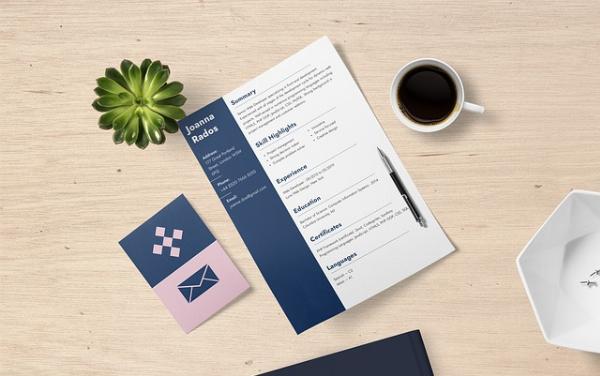
Select resume templates for students that emphasize skills and projects over chronological experience. Pick a clean, ATS-friendly format (clear headings, standard fonts). When using an AI resume builder, set the tone to "professional" and the role level to "entry-level" or "fresher" so outputs match expectations.
Step 3 — Use the FRESHER checklist to structure content
Apply the FRESHER checklist to every resume section before feeding content into the AI tool:
- Focus: Target one job family and list 3 job-specific skills.
- Results: Convert descriptions into outcomes or learnings.
- Education: Put coursework, GPA (if strong), and relevant certifications up front.
- Skills: List technical tools, languages, and soft skills in a compact list.
- Honors & awards: Add scholarships, competitions, or dean’s lists.
- Experiments (Projects): Describe projects with scope, tools, and results.
- References (optional): Prepare references on request—do not list them.
Step 4 — Generate and edit bullets
Ask the AI resume builder to convert each input line into 1–2 achievement-focused bullets using action verbs and metrics where possible. Example prompt: "Turn this project description into two achievement bullets that show impact and the tools used." Always edit the AI output to ensure accuracy and remove vague phrases.
Short real-world example
Situation: Recent computer science graduate with no internship experience. Input to AI: "Capstone project: Built a sentiment analysis web app using Python, Flask, and scikit-learn; processed 10,000 social media posts; achieved 82% classification accuracy." AI output (edited): "Developed a sentiment analysis web application using Python, Flask, and scikit-learn; processed a 10k-post dataset and achieved 82% classification accuracy, reducing manual labeling effort by 100 hours." This turns coursework into a measurable accomplishment suitable for an entry-level resume with no experience.
How to optimize content for ATS and hiring managers
Prioritize relevant sections
For an entry-level resume with no experience, place Education and Projects above Experience. Use section labels like "Relevant Projects" and "Technical Skills." Include role-specific keywords found in job descriptions without copying unrelated terms.
Use AI-powered resume tips selectively
Let the AI suggest phrasing and structure, but validate keywords against the job listing and ensure accuracy of all technical claims. Replace generic buzzwords with concrete tools, frameworks, and outcomes (e.g., "reduced processing time by 30%" instead of "improved efficiency").
For authoritative guidance on resume content and structure, official resources such as CareerOneStop provide best practices on what sections to include and common formatting standards: CareerOneStop: What's in a resume.
Common mistakes and trade-offs when using AI to build a fresher resume
Common mistakes
- Over-relying on AI wording without verifying facts or tailoring to the role.
- Including non-actionable fluff or vague verbs like "helped" instead of specific contributions.
- Filling space with irrelevant keywords that do not match skills or projects.
Trade-offs to consider
AI speeds up drafting but can produce generic language. Time invested in manual tailoring improves interview conversion rates. A very concise one-page resume is preferable for most entry-level roles, but a two-page CV may be acceptable for academic or research positions where coursework and publications matter.
Practical tips to finalize the resume
- Proofread and simplify: remove passive voice and duplicate skills.
- Tailor one resume per role: adjust 3–5 keywords to match the job description.
- Quantify achievements: add numbers, timeframes, and measurable results where possible.
- Get a human review: ask a mentor, professor, or career counselor to read the final draft.
FAQ: AI resume builder for freshers — what about common concerns?
Can an AI resume builder for freshers create a competitive resume with no work experience?
Yes. When driven by clear inputs—projects, coursework, volunteer roles, tools used, and measurable results—an AI resume builder can create focused, ATS-friendly bullets that highlight transferable skills and accomplishments.
Should an entry-level resume include GPA and coursework?
Include GPA only if it is above the employer's typical threshold (often 3.5+). List coursework that directly relates to the job and supports required skills; otherwise leave it out to keep the resume concise.
How long should a resume for freshers be?
One page is standard for most entry-level applications. A second page is acceptable for technical roles with extensive project, publication, or open-source contributions—keep the most relevant items on page one.
How to handle gaps or no formal experience?
Highlight volunteer work, freelance projects, class projects, contests, certifications, and relevant coursework. Use the FRESHER checklist to turn these into results-focused bullets.
What are quick editing rules after AI generates content?
Check for accuracy, replace generic terms with specific tools or outcomes, confirm grammar, and ensure each bullet uses an active verb and shows impact or learning.