EV Charging Station Locator in India: Maps, Fast Chargers, and a Practical Checklist
-

- Published Updated
- 302 views
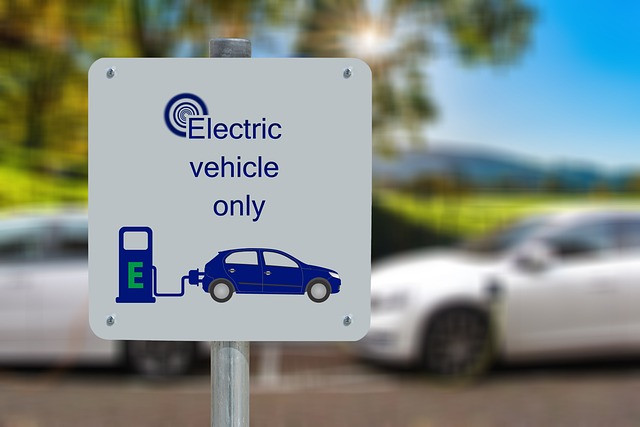
The EV charging station locator in India helps drivers find public charging points, compare connector types and speeds, and plan routes that include fast chargers and reliable stops. Use a locator to check availability, access hours, payment options, and whether a charger supports fast (DC) charging or slow (AC) charging.
- Use an EV charging station locator in India to locate chargers by plug type, speed, and availability.
- Follow the LOCATE checklist before a trip: Location, Open hours, Connector, Accessibility, Transaction, Equipment status.
- Check official guidance from the Ministry of Power and standards like BIS/IEC for equipment and safety practices.
EV charging station locator in India: how locators work and what they show
Charging locators aggregate station details from networks, operators, and public data feeds into searchable maps. A locator typically shows address, connector types (Type 2, CCS, CHAdeMO), charging speed (kW), access rules (public/private), payment options, and real-time availability when supported. Many locators can filter results to "fast chargers" or search by route to create an EV charging map India for long trips.
Key data fields to check
- Connector type and supported power (AC 7–22 kW, DC 30–350+ kW)
- Live status or last-reported availability
- Payment methods: RFID, app, UPI, credit card
- Access: open 24/7, appointment only, or restricted to certain vehicles
- Nearby amenities and safety lighting
LOCATE checklist for every EV trip
Use the LOCATE checklist as a quick verification framework before leaving: a named checklist that fits both daily charging and long routes.
- L — Location: Confirm GPS coordinates and parking access.
- O — Open hours: Verify operational hours and peak demand times.
- C — Connector: Match vehicle inlet to charger connector and maximum kW.
- A — Accessibility: Check space size, lane access, and safety lighting.
- T — Transaction: Know the payment method, app names, or RFID required.
- E — Equipment status: Look for recent user reports or operator uptime stats.
Real-world scenario
Driving from Bangalore to Chennai, plan stops around major highway towns. Use an EV charging map India to find DC fast chargers (>=50 kW) every 80–120 km. Check each station with the LOCATE checklist: confirm CCS availability for the vehicle, verify payment options (app or UPI), and allow a margin for one charger being offline. This reduces range anxiety and avoids long waits at the only fast charger on route.
Practical tips for using locators and maps
- Always filter by connector type and minimum kW to avoid mismatches between vehicle and charger.
- Cross-check two sources: a national EV charging map and the operator’s app or website for uptime reports.
- Reserve or pre-authorize charging when the operator supports it, especially in urban centers with limited bays.
- Keep alternatives in mind: identify the next two chargers within reach if the first is occupied or offline.
- Download offline map tiles for long trips with intermittent mobile coverage.
Common mistakes and trade-offs
Common mistakes include assuming every station supports fast charging, ignoring connector compatibility, and trusting a single source for availability. Trade-offs often involve choosing a slower but more reliable charger near amenities versus a faster charger that may be in a remote location with uncertain uptime.
Standards, safety, and reliable data sources
Operators and locators must align with national guidelines and equipment standards. Reference standards bodies such as the Bureau of Indian Standards (BIS) and international standards like IEC 61851 for charging safety. For official policy and model guidelines related to charging infrastructure, see the Ministry of Power's resources https://powermin.gov.in. Reporting from recognized platforms and operator status pages increases data reliability.
Choosing between multiple locators
Compare locators on data freshness, ability to filter by connector and power, route planning features, and availability status. A mobile app with operator authentication may allow direct session starts and payment, while a map-focused service might offer broader station coverage. Verify coverage in the target city or highway corridor before depending on a single service.
Resources and next steps
Before a trip, map charging stops, run the LOCATE checklist, and keep operator contact details handy. Know the charger types, expected wait times, and payment flows for each planned stop. For fleet or workplace installs, consult standards from BIS and coordination guidelines from the Ministry of Power to ensure safety and compatibility.
FAQ
How does an EV charging station locator in India find and show stations?
Locators aggregate station feeds from operators, public databases, and user reports. They standardize station data (location, connector, power) and often add filters for speed and availability. Cross-check operator sites for confirmed status when planning critical stops.
How to find EV chargers near me India when mobile signal is poor?
Download offline map data, save key charger coordinates, and carry backup contact numbers for operators. Plan stops with redundancy—identify at least two chargers within the vehicle's remaining range.
What connector types should be expected at public EV charging stations India?
Public stations commonly provide AC Type 2 for slow charging and DC CCS or CHAdeMO for fast charging. Confirm the station lists the connector and kW before relying on it for a fast recharge.
Are there payment methods commonly accepted at public EV charging stations India?
Common payment methods include operator apps, RFID cards, UPI, and credit/debit cards. Check the LOCATE checklist item "Transaction" to avoid surprises at the station.
What are common mistakes travelers make with EV charging station locators?
Assuming availability, skipping connector checks, and relying on a single data source. Use multiple sources, the LOCATE checklist, and plan alternative stops to reduce risk.