Skills and Outcomes from an Online NFT Course: Blockchain, Minting, and Royalties
-

- February 23rd, 2026
- 954 views

Get a free topical map and start building content authority today.
An online NFT course can teach the technical, creative, legal, and business skills needed to understand non-fungible tokens, marketplaces, and digital ownership. Courses vary by level and focus, but most cover the core concepts of blockchain technology, token standards, minting, and marketplace mechanics.
- Technical foundations: blockchain, smart contracts, token standards (ERC-721, ERC-1155)
- Creative workflow: digital art preparation, metadata, provenance
- Marketplace operations: listing, royalties, custody, wallets
- Legal and IP basics: copyright, licensing, regulatory considerations
- Security and best practices: private key management, phishing avoidance
What an online NFT course covers
Most structured programs begin with the fundamentals of distributed ledger technology and explain how blockchain networks record ownership and provenance. Lessons typically explain what a non-fungible token is, how it differs from fungible tokens, and why metadata and immutability matter for digital assets.
Technical foundations and development
Blockchain basics
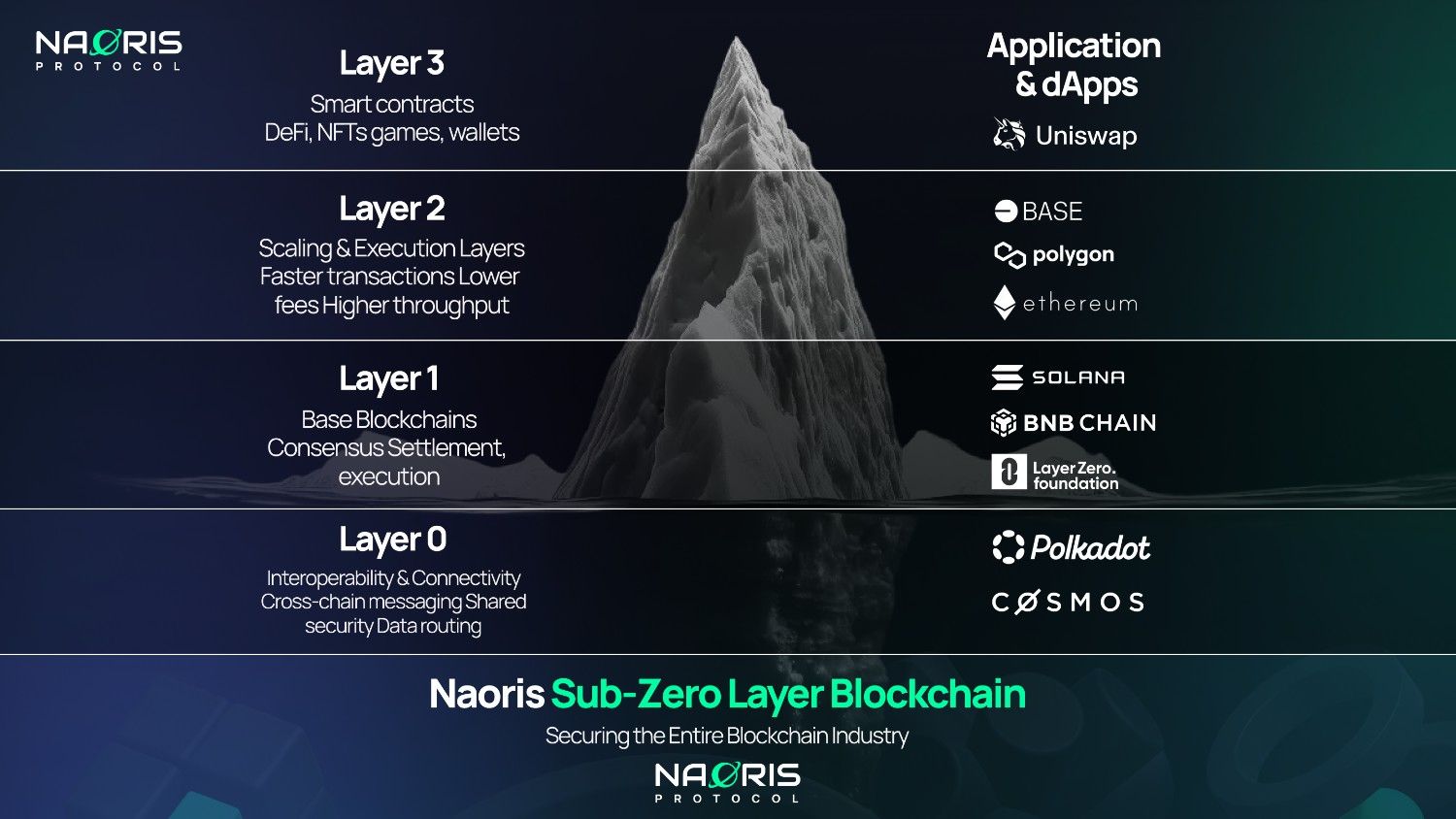
Courses introduce concepts such as consensus mechanisms, public and private ledgers, gas fees, and network layers. Ethereum is commonly used as an example because many early NFTs were issued there, but modern curricula often discuss alternatives and Layer 2 solutions that aim to reduce costs and improve throughput.
Smart contracts and token standards
Instruction usually covers how smart contracts govern minting, transfers, and royalty logic. Token standards such as ERC-721 and ERC-1155 are explained alongside concepts of fungibility, metadata schema, and on-chain versus off-chain storage. Some courses include hands-on exercises to read or deploy simple contracts on test networks.
Wallets, custody, and transactions
Practical modules explain how digital wallets work, the difference between custodial and non-custodial custody, seed phrases, and transaction signing. Security best practices for private key management and recognizing common scams are common course elements.
Creative and production skills
Preparing digital work
Creators learn how to prepare image, audio, video, or 3D files for minting, including file formats, resolution, compression, and the role of metadata in describing a work's provenance and features. Best practices for linking off-chain assets securely are also covered.
Metadata, provenance, and standards
Courses explain how metadata fields are used to record creator information, attributes, and token history. Lessons may discuss content identifiers (CIDs), IPFS-style storage, and trade-offs between on-chain permanence and storage costs.
Marketplace and business skills
Listing, pricing, and royalties
Instruction typically covers how to list NFTs on marketplaces, how royalties are implemented via smart contracts, and practical considerations for pricing primary and secondary sales. Strategies for launching drops, building community, and token utility are commonly addressed without making financial promises.
Marketing and community
Non-technical modules often focus on community-building, social media considerations, and partnership strategies. Courses may present case studies of successful launches to illustrate promotion tactics and creator-audience engagement.
Legal, ethical, and regulatory topics
Intellectual property and licensing
Learners get an overview of copyright, moral rights, licensing types (exclusive vs. non-exclusive), and how IP concerns intersect with NFTs. Guidance frequently recommends consulting official sources or legal counsel for jurisdiction-specific advice. International organizations such as the World Intellectual Property Organization provide resources on rights management and digital assets: World Intellectual Property Organization (WIPO).
Regulatory considerations
Courses summarize how securities, tax, and consumer protection regulators are approaching crypto and digital assets. References to bodies such as the U.S. Securities and Exchange Commission (SEC) or national regulators help learners understand that rules vary by country and may evolve.
Security, ethics, and practical risk management
Common threats and defenses
Instruction covers phishing, fake marketplaces, smart contract vulnerabilities, rug pulls, and due diligence practices. Emphasis is placed on verification of smart contract addresses, audit reports, and careful handling of private keys and recovery phrases.
Ethical considerations
Topics may include environmental impacts of different blockchains, attribution and artist rights, and fair use. Courses often encourage ethical decision-making and transparent communication when handling others' work or community funds.
How to choose an online NFT course
Curriculum and level
Select a course whose curriculum matches skill level—introductory overviews for new learners, developer tracks for coders, or creator-focused programs for artists. Look for clear learning objectives, sample lessons, and a balance of theory and hands-on practice.
Credibility and instructors
Prefer programs that reference academic research, established standards, or regulatory guidance. Instructor backgrounds in blockchain engineering, digital art, or intellectual property law add credibility. Peer reviews, syllabi, and third-party evaluations can help assess quality.
Conclusion
An online NFT course can provide a structured path to understanding the intersection of blockchain technology, digital art, marketplaces, and legal frameworks. By covering technical fundamentals, creative workflows, marketplace mechanics, and risk management, a well-designed course helps learners make informed decisions about creating, buying, or integrating NFTs into broader projects.
Frequently asked questions
What can you learn from an online NFT course?
Topics commonly include blockchain basics, token standards (ERC-721, ERC-1155), smart contracts, minting, wallets and custody, marketplace operations, royalties, IP and licensing basics, and security practices.
Does an online NFT course teach how to code smart contracts?
Some courses include developer modules that teach smart contract languages such as Solidity, deployment on testnets, and reading audit reports. Others focus on non-technical creator workflows instead.
Will a course explain legal rules around NFTs?
Many courses provide overviews of copyright, licensing, and regulatory topics, but they typically recommend consulting official regulators or legal counsel for jurisdiction-specific legal advice.
How much hands-on practice is provided?
Course formats vary: some offer step-by-step minting labs and simulated deployments on test networks, while others provide conceptual overviews with case studies. Review course outlines to confirm practical components.
Are there security modules in NFT courses?
Yes. Reputable courses include security best practices such as private key management, phishing recognition, verifying smart contract addresses, and understanding custody risks.