PU Dispensing Machine Guide: Precision, Performance, and Selection Criteria
-

- March 06th, 2026
- 465 views

Get a free topical map and start building content authority today.
A PU dispensing machine is the core tool for applying controlled amounts of polyurethane in potting, coating, gasketing, and bonding. This guide explains how PU dispensing machines work, what performance metrics matter, and how to evaluate options for production environments.
Key points: choose a PU dispensing machine based on accuracy (ratio and shot repeatability), compatible viscosity range, metering and mixing method, cycle speed, and safety controls. Use the MAGAL DISPENSE 6-Point Checklist below to compare systems. Consider trade-offs between speed and precision and watch common mistakes like underestimating maintenance needs.
Detected intent: Commercial Investigation
PU dispensing machine: what it is and why precision matters
PU dispensing machines meter, mix, and dispense two-part or single-component polyurethane formulas with repeatable accuracy. Accuracy matters because improper mix ratios or volume variation causes incomplete cure, weak bonds, or cosmetic defects. Typical use cases include potting electronics, applying gasketing beads, coating printed circuit boards, and encapsulating sensors.
How PU dispensing machines work and key components
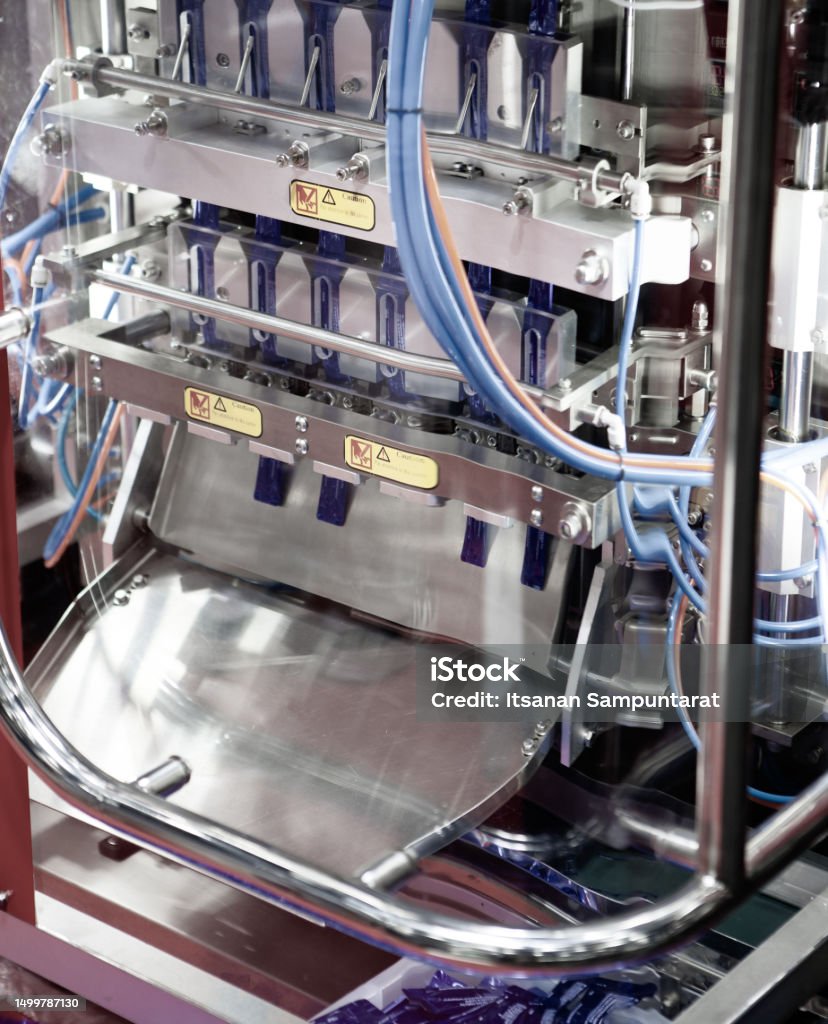
Most systems include metering pumps (gear, piston, or progressive cavity), a static or dynamic mixer, an actuator-controlled dispense valve, and an HMI for recipe control. For two-part materials, proportioning accuracy (ratio control) and shot-to-shot repeatability are the essential performance metrics. Other important specifications are maximum viscosity handling, minimum dispense volume, cycle time, and purge/clean routines.
Metering and mixing PU
Metering options: gear pumps for high-volume steady flow, piston pumps for higher pressures and integrity with abrasive fillers, and progressive cavity pumps for shear-sensitive materials. Static mixers are low-maintenance for continuous runs; dynamic mixers suit challenging chemistries but add cleaning complexity.
MAGAL DISPENSE 6-Point Checklist (selection framework)
Use the following checklist to compare systems and document supplier claims:
- 1) Ratio accuracy (% deviation at target flow)
- 2) Shot repeatability (coefficient of variation)
- 3) Compatible viscosity and fillers (mPas and solids)
- 4) Cycle speed and throughput (shots/minute)
- 5) Cleaning and maintenance access (time per purge)
- 6) Safety and controls (emergency stops, guarding, interlocks)
Real-world example: potting an automotive sensor
A mid-size assembly operation switched to a machine with closed-loop ratio control to pot an automotive sensor with a filled polyurethane. Before the upgrade, 7% of assemblies required rework due to incomplete cure near the connector. After implementing a metering system with 1% ratio accuracy and automatic purge cycles, rework dropped below 1% and cycle time improved by 20%—delivering measurable quality and throughput gains.
Practical tips for setup and operation
- Confirm material compatibility with manufacturer data sheets and test with lab-scale shots before full production.
- Validate ratio and shot volume using gravimetric or volumetric checks during acceptance testing.
- Institute scheduled purge and filter-change intervals to prevent cured material buildup in mixers.
- Train operators on basic troubleshooting: air entrapment, filler settling, and pump cavitation symptoms.
- Document recipes in the machine HMI and lock critical parameters to prevent unauthorized changes.
Trade-offs and common mistakes
Trade-offs:
- Speed vs. accuracy: Faster cycle rates may require larger pumps and can amplify ratio drift; choose closed-loop control if both are needed.
- Static vs. dynamic mixers: Static mixers reduce maintenance but struggle with high-filled or fast-curing chemistries; dynamic mixers improve mixing but increase clean-up time.
- Automation level vs. flexibility: Fully integrated cells reduce operator variability but add cost and complexity for low-run or frequently changing products.
Common mistakes
- Relying solely on supplier specs without on-site validation under real conditions.
- Neglecting viscosity control—temperature and filler settling change flow characteristics over a shift.
- Skipping regular maintenance on pumps and seals, which leads to ratio drift and contamination.
Safety and standards to verify
Safety features to require: guarding around moving parts, chemical spill containment, emergency stops, and clear isolation procedures for cleaning. For machine safety guidance, consult official standards and guidance such as OSHA machine guarding. Ensure material safety data sheets (SDS) are accessible and that ventilation is adequate for solvent-bearing systems.
Core cluster questions (for related articles or internal links)
- How to test ratio accuracy on a two-component dispenser?
- When to choose static vs dynamic mixing for polyurethane?
- What maintenance schedule prevents cured PU in dispense lines?
- How to set up gravimetric verification for shot volumes?
- Which pump types are best for filled polyurethane adhesives?
FAQ
What is a PU dispensing machine and where is it used?
PU dispensing machines meter and apply polyurethane materials for potting, gasketing, bonding, and coating. They are used in electronics assembly, automotive sealing, sensor encapsulation, and any application that requires controlled volumes and accurate two-part mixing.
How accurate does ratio control need to be for two-part PU?
Target ratio accuracy depends on the chemistry: many systems require better than ±2% ratio control for consistent curing. Critical structural or high-temperature designs may need ±1% or better; verify with vendor data and on-site gravimetric testing.
What are common maintenance tasks for polyurethane dispensing equipment?
Regular tasks include filter and seal replacement, scheduled purges, mixer replacement (if static), checking pump calibration, and cleaning dispense valves. A documented maintenance plan prevents buildup and ratio drift.
How do metering and mixing PU affect throughput and quality?
Metering precision drives mix accuracy; poor metering causes off-ratio parts and rejects. Mixing quality affects cure uniformity—insufficient mixing leads to soft spots. Match pump type and mixer style to material properties and planned cycle times.
How to choose between polyurethane dispensing equipment options?
Compare systems using the MAGAL DISPENSE 6-Point Checklist: ratio accuracy, shot repeatability, viscosity range, throughput, maintenance needs, and safety features. Validate claims with test shots and long-run trials before final selection.